
- Lemon juice
- Water
- Spray bottle
- Lemon peels
Instructions
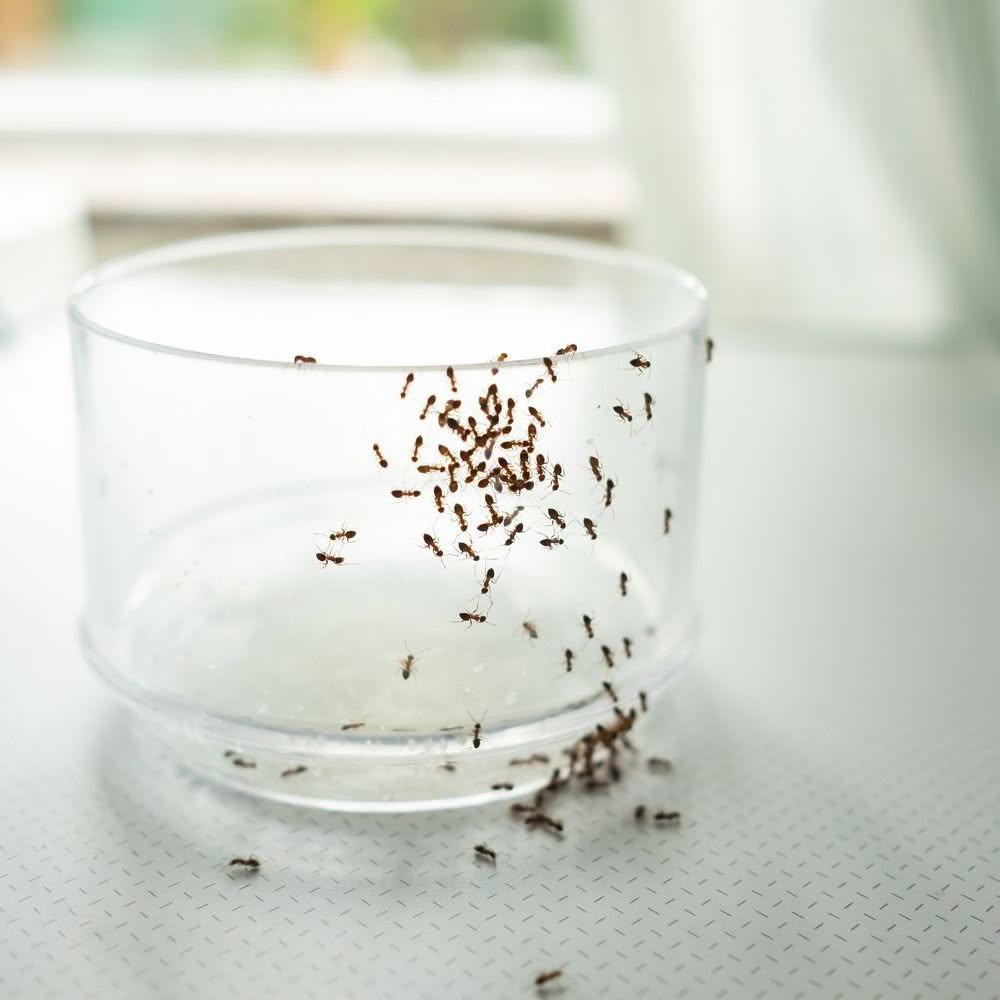
Mix together your 1 part lemon juice to 3 parts water in a spray bottle. Then, spray the mixture at entry points and where ants have congregated. And don't toss away the peels when you're done. The rinds contain d-limonene, which kills ants on contact; place the peels near known entry points to exterminate the pests before they can track further into your home.
"The strong scent of lemon will help to repel ants and keep them from making their way inside," Luca says. "Not only is this method effective, but it is also safe to use around children and pets, making it an ideal solution for those looking for a natural alternative to traditional ant control methods."
A Word of Caution
According to McReynolds, it's important to remember that natural doesn't necessarily mean non-toxic or safe. "Be careful with some of the DIY recipes out there. Borax and essential oils can be harmful to pets if ingested," he says.
Also, you'll want to be cautious of where you're using some of these DIY solutions since some ingredients can harm certain surfaces. You wouldn't want to use lemon or vinegar on granite countertops, for example. Test any DIY sprays or solutions on a small or inconspicuous area first, and always keep these homemade ant killers out of the reach of children and pets.
How to Prevent Ants
Of course, the best method is to prevent ants from invading your home in the first place. While not always possible, there are a few things you can do to keep these critters out of your home before they become problematic.
- Keep a regular cleaning schedule: Ants are attracted to sources of food, so your kitchen is a natural spot for ants to congregate. Head them off by regularly cleaning your home, especially your kitchen. "Keeping your surroundings clean, especially your kitchen—will naturally aid in the decrease of ant populations," says Ismael Girard, CEO of Pest Agent.
- Seal up any cracks or gaps: Cracks in your home's foundation or gaps in the exterior siding can leave just enough space for ants to get in. Seal these up if you can to avoid giving ants an open-door policy in your home.
- Replace damaged window screens: Opening your windows for fresh air is lovely, but letting ants in is not. Inspect your window screens for any signs of wear and tear or larger damage regularly, and replace them if needed.