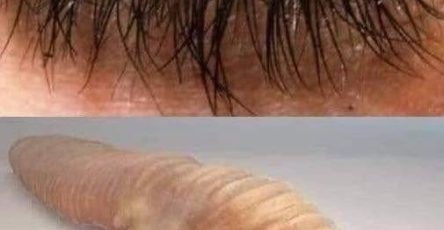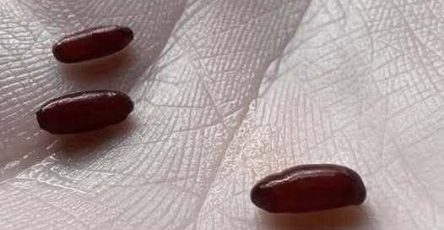

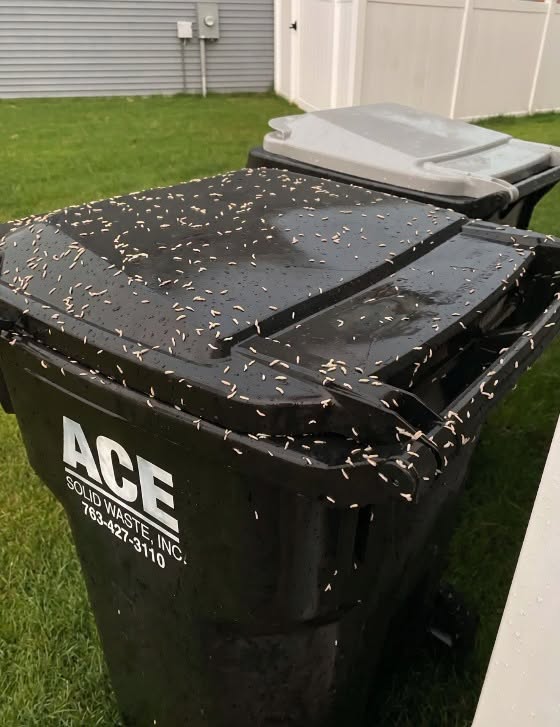
Opening the trash can and suddenly seeing dozens of tiny white creatures wriggling around can be a genuinely unpleasant surprise. They may look like little worms, but in a household garbage bin, there’s a very good chance you’re actually looking at maggots—the larval stage of flies.
The good news is that this usually isn’t a mysterious infestation. It’s a sign that flies have found food or other organic material in the garbage and had an opportunity to lay eggs.
Here’s what’s happening, how to get rid of them, and how to make your trash can much less attractive to flies.
What Are Those Tiny White Worms?
Maggots are immature flies.
Adult flies are attracted to food scraps, meat, spoiled produce, pet waste, and other decomposing organic material. When they find a suitable spot, they can lay eggs directly on or near the waste.
Those eggs can hatch surprisingly quickly in warm conditions, which is why it may seem as though the little white larvae appeared out of nowhere.
Maggots are generally:
- White, cream-colored, or pale
- Soft-bodied
- Legless
- Small and worm-like
- Often found wriggling through moist organic waste
So if they’re crawling around inside a garbage bag containing old food, maggots are the most likely explanation.
Why Did They Suddenly Appear?
It can happen remarkably fast.
You might take the garbage out one evening, put a fresh bag in the bin, and think everything is fine. The next time you open the lid, you discover tiny larvae crawling around.
The important thing to understand is that they didn’t simply materialize overnight.
Flies may have already laid eggs on food residue or exposed garbage. Under warm conditions, those eggs can hatch rapidly.
That’s also why these problems tend to be more noticeable during hot weather.
Warmth + Moisture + Food = Trouble
A garbage can can provide almost everything flies need:
- Food scraps
- Moisture
- Warmth
- Protection
- Decomposing organic matter
As food breaks down, it also produces odors that can attract more flies.
What Attracts Maggots to a Trash Can?
Continued on next page//