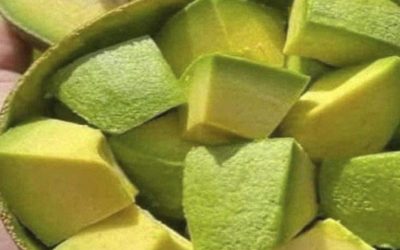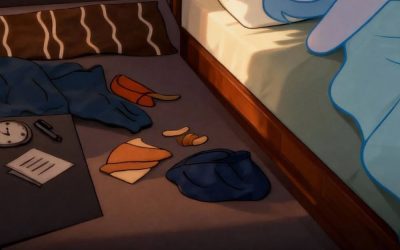

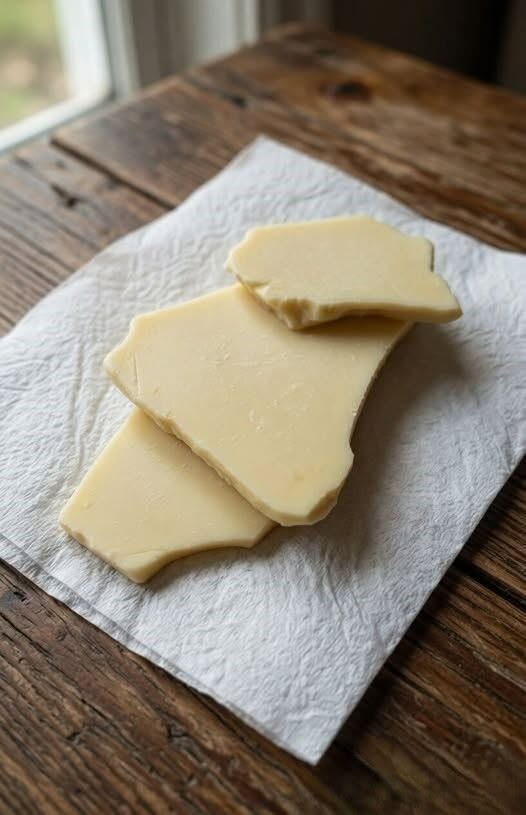
Let me explain why I (and so many parents) jump to the worst conclusion.
The brain's negativity bias: Our brains are wired to pay more attention to potential threats than to potential rewards. This kept our ancestors alive (better to assume the rustle in the bushes is a predator than a gentle breeze). But in modern parenting, it can cause unnecessary distress.
The power of the unknown: Uncertainty is uncomfortable. When we don't have an explanation, our brains create one. And because of negativity bias, the created explanation is often negative.
The stories we tell ourselves: We are natural storytellers. When we find a mysterious object, we don't just see an object—we see a narrative. And the most compelling narratives are often the most dramatic.
The "good parent" pressure: We want to protect our children. We want to catch problems early. We feel responsible for their safety, their choices, their futures. That pressure makes us hyper-vigilant.
The antidote: Curiosity, not accusation. Asking questions, not assuming. Giving your child the benefit of the doubt.
What I Learned (The Humbling Truth)
Here's what I took away from this experience.
Most mysteries have mundane explanations. A hermit crab shell. A forgotten hair clip. A broken retainer. A piece of dried Play-Doh. Most of the time, the simplest explanation is the correct one.
The stories we tell ourselves are often wrong. My brain had constructed an elaborate fiction based on nothing. The truth was far less interesting—and far more humbling.
Assume good intent. If your child has given you no reason to distrust them, start there. Not naively—but generously.
Ask before accusing. "Hey, I found these white fragments in your room. Can you help me understand what they are?" This invites explanation, not defensiveness.
Apologize when you're wrong. Not "I'm sorry, but…" A clean, honest apology. "I was wrong. I'm sorry." This models accountability and repairs trust.
How to Avoid the Spiral (Practical Tips for Parents)
If you find yourself in a similar situation, here's what I've learned.
Step 1: Pause. Take a breath. Don't react immediately.
Step 2: Ask yourself: "What's the most likely explanation?" (Not the most dramatic, the most likely.)
Step 3: If the object is truly mysterious, take a photo. Do some research. Ask a friend. There's probably a simple answer.
Step 4: When your child comes home, ask calmly. "Hey, I found this. What is it?" Not "What is THIS?" Not "Why do you have THIS?"
Step 5: Listen to the answer. Really listen. Don't interrupt. Don't cross-examine.
Step 6: If the answer doesn't make sense, ask follow-up questions. But from a place of curiosity, not accusation.
Step 7: If you were wrong, apologize. Your child will remember your humility more than your fear.
A Humbling, Heartfelt Conclusion
Continued on next page//
To see the complete cooking instructions, go to the next page or click the Open (>) button and don't forget to SHARE it with your friends on Facebook.