

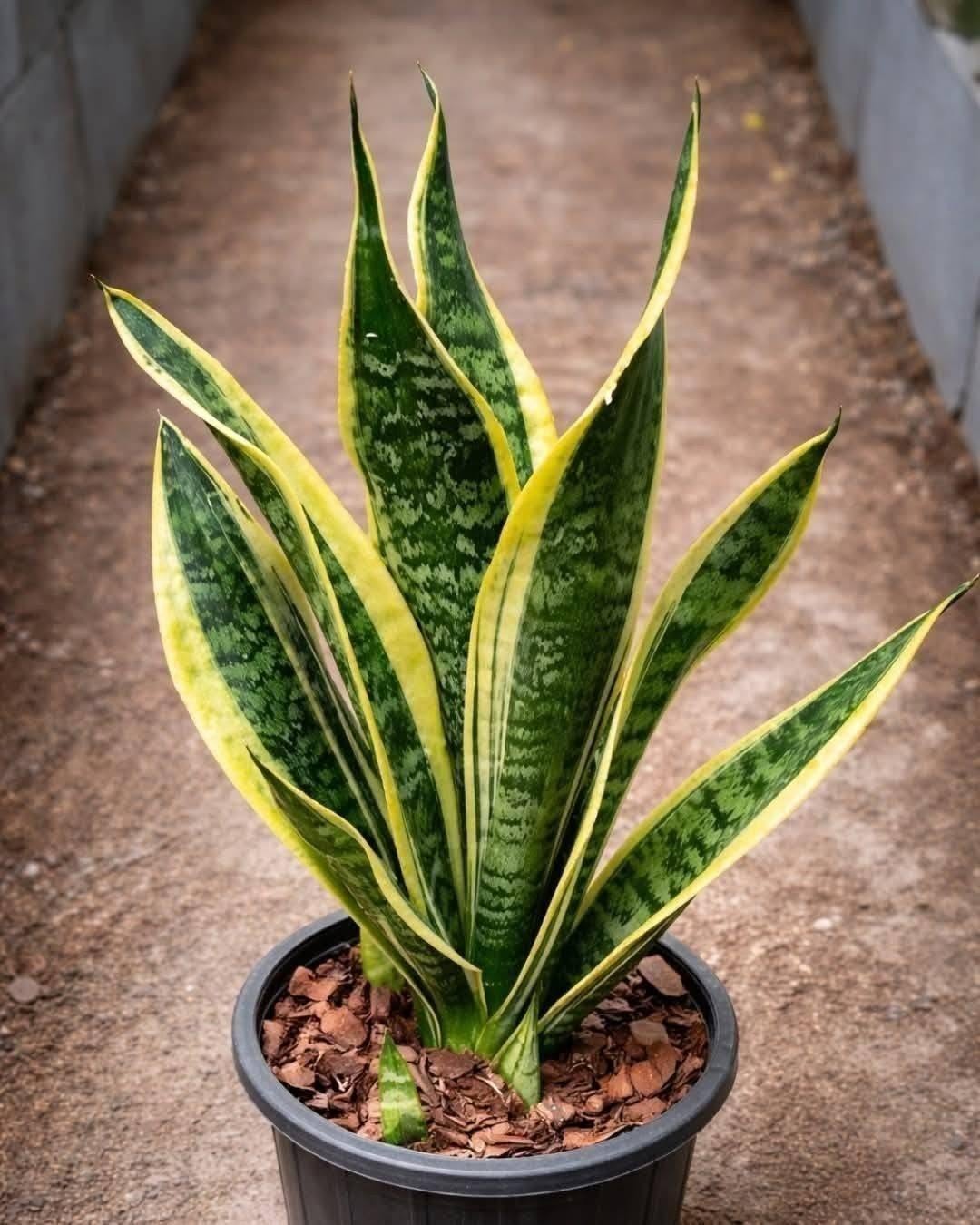
If you don’t have a snake plant, don’t worry. There are plenty of other houseplants that offer similar benefits.
Spider Plant: Effective at removing formaldehyde and xylene from the air. It’s also pet-friendly, easy to care for, and produces baby plants (spiderettes) that you can propagate and share with friends.
Peace Lily: Excellent at removing mold spores and harmful chemicals from the air. It also adds a beautiful touch of white flowers to any room. (Note: It is toxic to pets, so keep it away from curious cats and dogs.)
Aloe Vera: A succulent that removes formaldehyde and benzene from the air. The gel inside its leaves also has healing properties for minor cuts and burns.
Boston Fern: One of the most effective plants for removing formaldehyde and xylene from the air. It thrives in high humidity, making it perfect for bathrooms or kitchens.
Pothos (Devil’s Ivy): A versatile, vining plant that removes formaldehyde, benzene, and carbon monoxide from the air. It’s incredibly easy to grow and can thrive in almost any lighting condition.
English Ivy: Excellent at removing airborne mold spores. It also adds a lovely touch of greenery to any room.
Lavender: While not a heavy hitter in terms of air purification, lavender’s calming scent can reduce stress and promote better sleep.
What These Plants Do for Your Health
Houseplants offer a surprising range of health benefits.
They improve air quality. Many houseplants remove toxins from indoor air, improving overall respiratory health.
They reduce stress. Studies have shown that being around plants can lower cortisol levels and promote relaxation.
They boost mental health. Caring for a plant can provide a sense of purpose and accomplishment, and the act of nurturing can improve overall mood.
They increase productivity. Having plants in your workspace has been shown to boost focus, creativity, and productivity.
They improve sleep. Some plants release oxygen at night, creating a more restful sleep environment.
They reduce noise. Plants absorb sound and can help reduce ambient noise levels in your home.
They create a connection to nature. In our increasingly digital world, houseplants offer a tangible connection to the natural world.
How to Choose the Right Plant for You
With so many houseplants to choose from, it can be overwhelming. Here are a few things to consider.
Light conditions: How much sunlight does your home receive? Choose a plant that thrives in your specific light conditions
Maintenance level: How much time and effort can you commit? Some plants need daily attention, while others thrive on neglect.
Pet safety: If you have pets, make sure your plants are non-toxic to cats and dogs.
Aesthetic preferences: Choose a plant that complements your home’s decor.
Health benefits: If you have specific health goals, choose a plant that supports them.
A Word of Caution
While houseplants offer many benefits, it’s important to be aware of potential hazards.
Continued on next page//
To see the complete cooking instructions, go to the next page or click the Open (>) button and don't forget to SHARE it with your friends on Facebook.