
Here are a few clues:
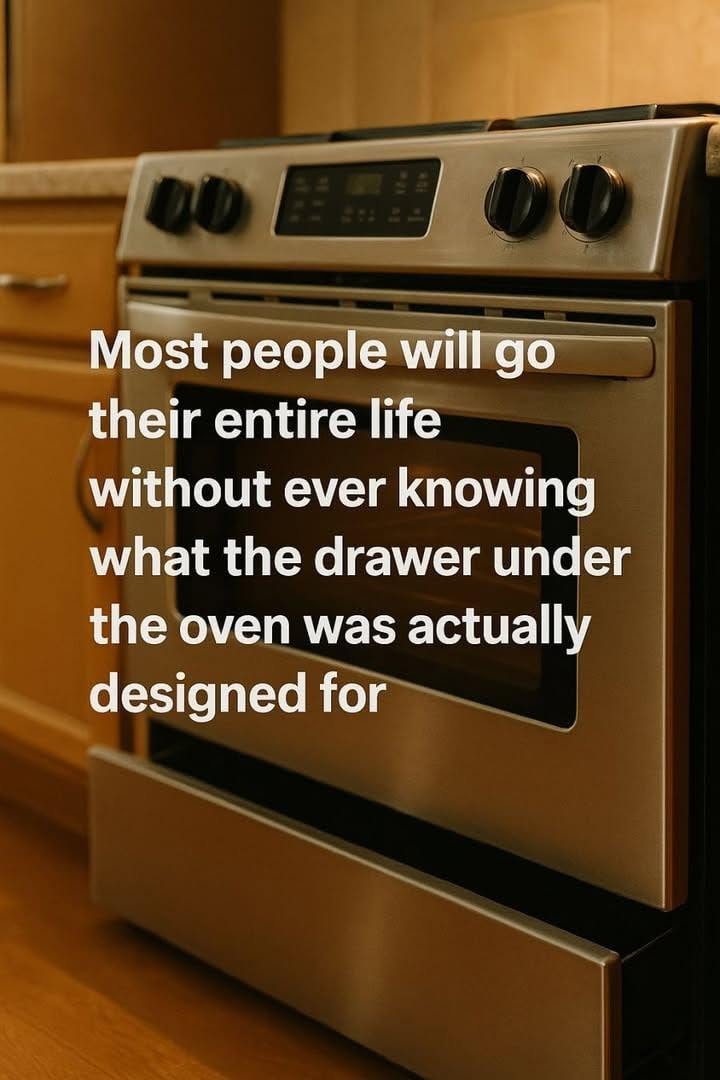
Warming Drawer
- May have its own temperature control or warming setting.
- Keeps food warm after cooking.
- Typically operates at low temperatures.
Storage Drawer
- Has no heating controls.
- Is intended only for storing oven-safe cookware.
Broiler Drawer
- Usually found beneath the oven in some gas ranges.
- Becomes extremely hot during broiling.
- Designed specifically for broiling food, not storage.
If you’re unsure, consult your owner’s manual before using the drawer.
Is It Dangerous to Store Pans in the Drawer?
It depends.
- Storage drawer: Safe for cookware.
- Warming drawer: Avoid storing anything unless the manufacturer specifically says it’s safe.
- Broiler drawer: Do not store cookware, plastic items, paper products, or anything flammable, as the drawer can become extremely hot.
Always follow the manufacturer’s recommendations for your specific appliance.
How a Warming Drawer Works
A warming drawer maintains a gentle, consistent heat that helps keep cooked food warm without continuing to bake or roast it.
It’s especially useful when:
- Preparing several dishes for a holiday meal
- Waiting for guests to arrive
- Keeping side dishes warm while the main course finishes cooking
Unlike an oven, a warming drawer is designed to hold food at serving temperature rather than cook it further.
Other Uses for a Warming Drawer
Depending on your oven model and the manufacturer’s instructions, a warming drawer can also be used to:
- Warm dinner plates
- Proof bread dough
- Keep baked goods warm before serving
Always check your owner’s manual before using the drawer for anything beyond warming food.
Be Careful with Online “Kitchen Hacks”
Continued on next page//
To see the complete cooking instructions, go to the next page or click the Open (>) button and don't forget to SHARE it with your friends on Facebook.