
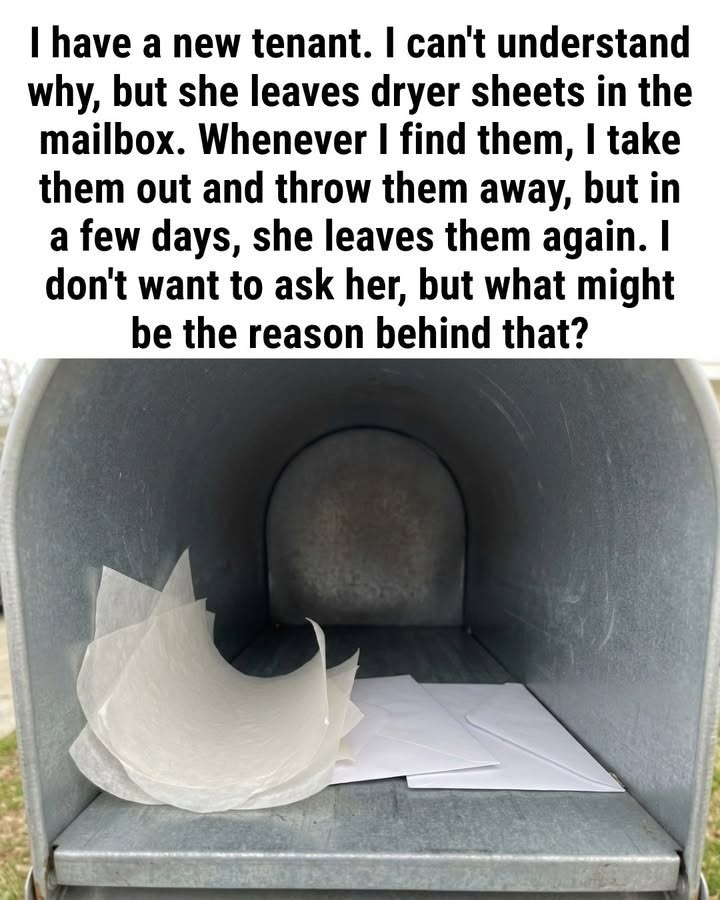
Let me explain the science behind this homespun hack.
The active ingredient: Many dryer sheets contain linalool, a compound found naturally in lavender, basil, mint, and other plants. Linalool is a known insect repellent. It's used in some commercial insect repellents and pesticides.
How it works: Wasps and yellow jackets have highly sensitive olfactory systems. They use scent to find food, communicate, and navigate. Strong, unfamiliar scents (like linalool) can overwhelm or confuse them, making the area less appealing for nesting.
The evidence: A 2008 study tested linalool against wasps and found it to be an effective repellent. Gardeners have used lavender, mint, and other linalool-rich plants to deter pests for centuries. And mail carriers across the country have reported success with dryer sheets.
Important: Dryer sheets are not insecticides. They do not kill wasps. They simply make the area less attractive. If a wasp is already inside, it may not leave immediately. But new wasps are less likely to build a nest.
The Mail Carrier's Perspective (Why They Do This)
Let me give you the view from the other side of the mailbox.
The numbers: Mail carriers open hundreds of mailboxes per day. In the summer, wasp encounters are common. A single nest can shut down delivery to an entire street until it's removed.
The danger: Mail carriers are at risk for multiple stings per day. Severe allergic reactions can occur even in people who have never been allergic before. Carriers have been hospitalized, and in rare cases, died from stings.
The solution: Dryer sheets are cheap, lightweight, non-toxic, and easy to carry. Carriers can tuck them into mailboxes during their route without adding significant weight or time.
The culture: Many mail carriers share tips and tricks. Dryer sheets are a common recommendation in carrier communities. Some offices provide them. Others rely on carriers to bring their own.
The message: If your mail carrier has placed a dryer sheet in your mailbox, they're not trying to scent your mail. They're trying to protect themselves—and you.
What to Do If You Find a Dryer Sheet in Your Mailbox
Do:
-
Leave it there. It's doing its job.
-
If it falls out, tuck it back in the corner (behind the mail, not on top).
-
If it loses its scent (after a few weeks), replace it with a new one (or ask your carrier to).
-
Thank your mail carrier. They're looking out for you.
Don't:
-
Don't remove it. That's like unplugging a bug zapper.
-
Don't throw it away. It's not trash.
-
Don't assume it's litter. It's a tool.
What If You Already Have Wasps?
A dryer sheet is a deterrent, not an exterminator. If you already have a nest in your mailbox, the dryer sheet may not be enough.
Signs of an active nest:
-
Wasps flying in and out of the mailbox
-
Visible mud or paper nest material
-
Buzzing sounds when you approach
-
Wasps that seem aggressive (defending the nest)
What to do:
-
Do not open the mailbox if wasps are actively swarming.
-
Call your mail carrier's supervisor. They may suspend delivery until the nest is removed.
-
Hire a pest control professional to remove the nest (do not attempt to remove it yourself—wasps are defensive and can sting repeatedly).
-
After the nest is removed, place a dryer sheet inside to deter future nests.
Other Natural Wasp Deterrents
If you don't have dryer sheets (or prefer not to use them), here are other options.
-
Lavender sachets: Same active ingredient (linalool), more natural.
-
Peppermint oil: A few drops on a cotton ball. Peppermint is also a natural insect repellent.
-
Cucumber peels: Some people swear by cucumber peels (wasps dislike the bitterness). Replace daily.
-
Essential oil blends: Mix peppermint, clove, geranium, and lemongrass oils. Apply to a cotton ball.
Important: Scent-based repellents need to be refreshed regularly. Replace every 1-2 weeks (or when the scent fades).
A Word on Dryer Sheets and the Environment
Continued on next page//
To see the complete cooking instructions, go to the next page or click the Open (>) button and don't forget to SHARE it with your friends on Facebook.