
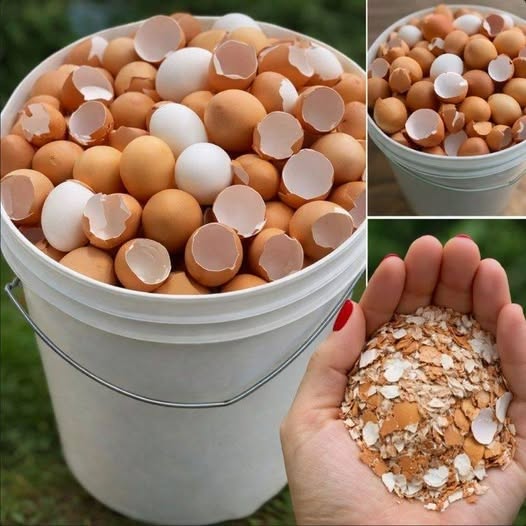
Your furry friends can benefit from eggshells too.
14. Calcium Boost for Home-Cooked Pet Food
If you make homemade dog or cat food (under veterinary guidance), eggshell powder is an excellent natural calcium source.
How to use: Grind sterilized eggshells into a very fine powder (coffee grinder). Add ½ teaspoon per pound of homemade food. Mix thoroughly.
Important: Always consult your veterinarian before adding supplements to your pet’s diet. Too much calcium can be harmful.
15. Natural Wormer for Chickens (If You Have Backyard Hens)
If you keep chickens, crushed eggshells serve two purposes: they provide calcium for stronger eggshells, and the sharp edges may help control internal parasites.
How to use: Dry and crush eggshells (not powder—small, sharp pieces). Offer in a separate dish for your hens to eat as they need.
Pro tip: Bake the shells at 200°F for 10 minutes first to kill any bacteria before feeding them back to your chickens.
For Arts, Crafts, and DIY (2 Creative Ideas)
Eggshells have a long history in art. Here’s how to use them today.
16. Mosaic Art and Decoupage
Crushed eggshells create a beautiful, textured mosaic effect on picture frames, flower pots, or canvases.
How to use: Dye eggshell pieces with food coloring (optional). Apply glue to your surface. Press shell pieces into the glue, leaving small gaps. Seal with a clear varnish.
Best for: Picture frames, small boxes, terra cotta pots, greeting cards.
17. DIY Chalk for Sidewalk Art
This is a fun project to do with kids. Eggshell chalk is surprisingly effective on sidewalks and driveways.
How to use: Grind sterilized eggshells into a very fine powder. Separate into bowls. Add food coloring to each bowl. Add a small amount of water to form a thick paste. Shape into “chalk sticks” using silicone molds or rolled paper tubes. Let dry for 3-4 days.
Best for: Sidewalk drawing, driveway art, kids’ birthday party activities.
What NOT to Do with Eggshells (Important Safety Tips)
Before you go wild saving every eggshell, a few warnings.
Don’t feed raw eggshells to pets. Roaw shells can contain salmonella. Always bake or boil them first.
Don’t use eggshells in your disposal if you have septic issues. Some plumbers warn that eggshells can create a paste-like sludge in septic systems. Check with your plumber if you’re unsure.
Don’t add whole eggshells to compost. They break down very slowly. Always crush them.
Don’t use eggshell powder for calcium without sterilizing first. Raw eggshells can carry bacteria. Always bake or boil.
Don’t use eggshells as a sole fertilizer. They’re great for calcium but lack other essential nutrients (nitrogen, phosphorus, potassium). Use alongside compost or balanced fertilizer.
How to Store Your Eggshell Collection
If you’re going to save eggshells, do it without attracting pests or creating a mess.
The freezer method (best for small batches): Rinse eggshells, let them dry slightly, then place in a freezer bag or container. Add to the bag as you use eggs. When the bag is full, dry and crush them all at once.
The counter method (if you go through eggs quickly): Keep a small bowl or jar on your counter. Add rinsed eggshells. Process them every few days before they start to smell.
The drying method (for bulk storage): Rinse eggshells. Bake at 200°F for 10 minutes. Once cool, crush or grind. Store in a sealed jar in your pantry indefinitely.
Frequently Asked Questions
Continued on next page//