

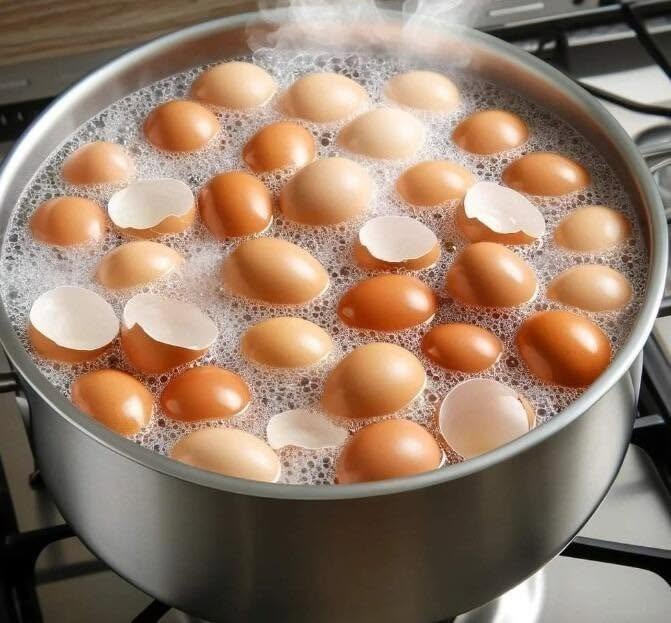
While eggshells are indeed rich in calcium carbonate (about 95% of their composition)—and have been used traditionally in some cultures as a calcium supplement—consuming them at home, even when boiled and ground, carries significant health risks that outweigh potential benefits.
Here’s what you need to know before considering this practice.
Key Risks of Eating Eggshells
1. Salmonella Contamination
- Eggshells can harbor Salmonella bacteria, even if the inside of the egg is clean.
- Boiling may not fully sterilize the shell’s porous surface, especially if done briefly.
- Symptoms of salmonellosis: fever, diarrhea, abdominal cramps—especially dangerous for older adults, pregnant women, and those with weakened immunity.
2. Physical Injury from Sharp Fragments
- Even finely ground eggshells can retain microscopic sharp edges.
- These may irritate or scratch the esophagus, stomach lining, or intestines, potentially causing internal micro-tears or inflammation.
3. Heavy Metal Contamination
- Eggshells can absorb environmental toxins like lead, cadmium, or arsenic from soil, feed, or water—depending on how the hens were raised.
- Home preparation offers no way to test for or remove these contaminants.
4. Poor Absorption Without Proper Processing
-
- Thoroughly cleaned
- Sterilized at high heat (≥250°F/121°C for 15+ minutes)
- Milled into a very fine, uniform powder (like pharmaceutical-grade calcium carbonate)For calcium to be bioavailable, eggshells must be:
- Most home methods (boiling + coffee grinder) don’t achieve this standard.
Safer, More Reliable Calcium Sources
Continued on next page//
To see the complete cooking instructions, go to the next page or click the Open (>) button and don't forget to SHARE it with your friends on Facebook.

These Popular Colors Might Be Dulling Your Glow After 50

When Someone in the Family Passes Away, Never Throw Away These 4 Things at Their Funeral

7 Silent Ailments That Appear a Year Before De.ath
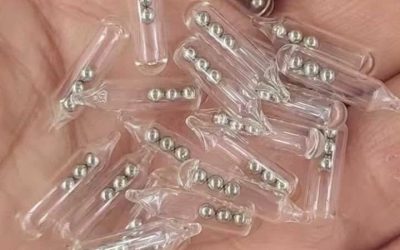
Identifying Small Glass Tubes Containing Three Tiny Ball Bearings

Bleach Stains on Your Clothes? No Need to Throw Them Away: Here's the Solution