

Think of it as a three-step cycle:
Keep flies away → seal food waste → clean the container.
The less access flies have to decomposing food, the less opportunity they have to lay eggs.
For especially warm weather, some households also freeze particularly smelly food scraps until garbage collection day. Freezing can reduce odors and prevent flies from accessing the waste before disposal.
Frequently Asked Questions
Are the tiny white worms in garbage always maggots?
Not necessarily. Other insect larvae can look worm-like. However, maggots are the most likely explanation when pale, legless larvae are found in food waste or a dirty garbage bin.
Where do maggots come from?
They hatch from fly eggs. Adult flies are attracted to suitable organic material and may lay eggs directly on or near it.
How quickly can maggots appear?
In warm conditions, fly eggs can hatch rapidly—sometimes within about a day.
Why are there more maggots in summer?
Warm temperatures speed up decomposition and can accelerate the development of fly eggs and larvae, making garbage a particularly favorable environment.
Will taking out the garbage get rid of them?
It removes the main food source, but you should also clean the inside of the garbage can. Residue left behind can continue attracting flies.
Can I prevent maggots completely?
You can’t guarantee that you’ll never see one, but keeping garbage covered, tying food waste securely, cleaning the bin regularly, and minimizing exposure to flies can greatly reduce the chance of an infestation.
The Bottom Line
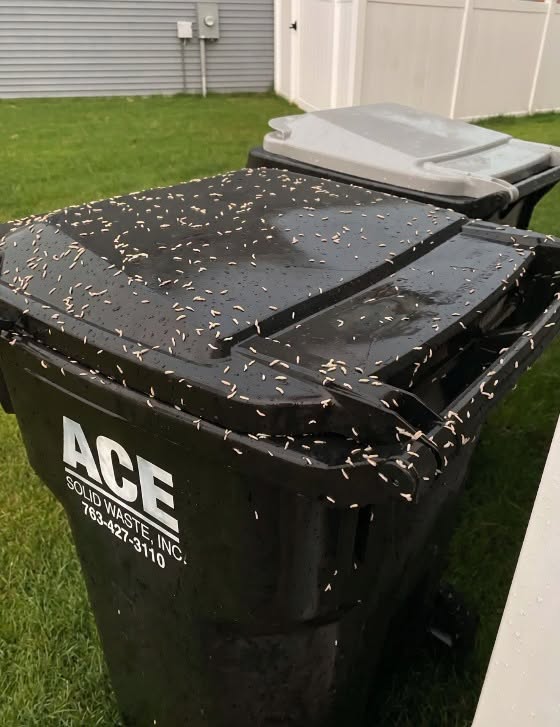
Those creepy little white “worms” in your trash probably aren’t worms at all.
They’re most likely maggots—the larvae of flies.
They appear when flies find suitable organic waste, lay eggs, and those eggs hatch into larvae. Warm weather, moisture, food residue, and uncovered garbage can make the process happen surprisingly quickly.
The solution is straightforward:
Remove the infested waste, clean the trash can thoroughly, let it dry, and keep future food waste tightly sealed.
And if you suddenly discover a whole colony crawling around your garbage, remember: as unpleasant as it looks, you’ve most likely just caught a very ordinary part of the fly life cycle happening in an unfortunate location.