

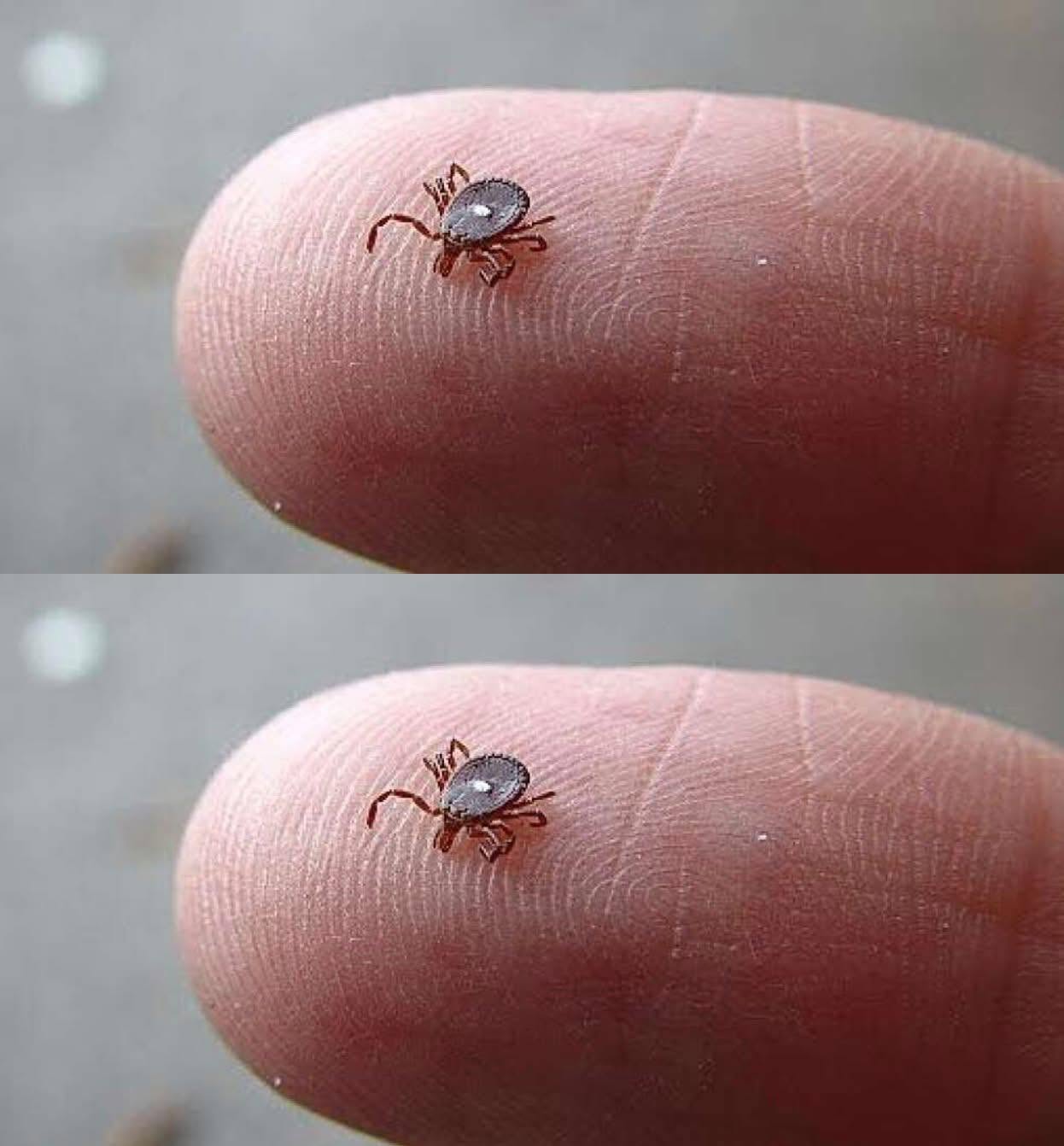
I know. Easier said than done. When I saw that tick on my ankle, my first instinct was pure panic. But freaking out won't help you remove it safely—and it definitely won't make the experience less unsettling.
If you find a tick attached to your skin:
Crafts
Remove it immediately. The longer a tick remains attached, the greater the risk of disease transmission.
Use fine-tipped tweezers. Grasp the tick as close to your skin as possible—right at the mouthparts.
Pull upward steadily and gently. Do not twist, jerk, or crush the tick. This can cause the mouthparts to break off and remain embedded, which may lead to irritation or infection.
Clean the area thoroughly. Wash with rubbing alcohol, iodine, or soap and water after removal.
Never crush a tick with your bare fingers. You don't want potential pathogens on your skin.
Full disclosure: I've removed more ticks than I care to admit—from my dog. It's not a glamorous skill, but it's a necessary one for pet owners in tick-prone areas.
Step 2: Save the Tick and Monitor Closely
Here's a step many people skip: don't just flush the tick or toss it in the trash.
Save it. Place it in a sealed container, a small vial, or even a piece of clear tape. If you develop symptoms later, having the tick can help your healthcare provider identify the species and assess risk.
Watch for symptoms over the next few weeks. Check the bite site daily for:
A spreading rash (especially a "bull's-eye" pattern, though not all tick-borne rashes look like this)
Flu-like symptoms: fever, chills, fatigue, headache, muscle or joint aches
Parasites & Parasitic Diseases
If you notice anything unusual—call your doctor. Don't wait. Don't downplay it. Early intervention matters.
(And yes, I'm giving this advice while fully acknowledging that I am not, by nature, a calm person. We're all works in progress.)
Step 3: Prevent Future Encounters
Once you've dealt with the immediate situation, take steps to reduce your risk next time.
When spending time outdoors in tick-prone areas:
Wear long sleeves and long pants; tuck pants into socks (not the most fashionable look, but function over fashion, always)
Use an EPA-registered insect repellent containing DEET, picaridin, or IR3535 on exposed skin
Treat clothing and gear with permethrin for added protection (never apply permethrin directly to skin)
Stick to the center of trails; avoid brushing against tall grass or low-hanging branches
When you come inside:
Continued on next page//
To see the complete cooking instructions, go to the next page or click the Open (>) button and don't forget to SHARE it with your friends on Facebook.

A Healthy and Delicious Way to Enjoy Dates in Your Diet: Nature's Sweet Superfood for Health and Energy

That Mysterious Slab of Granite in Your Kitchen? Boomers Knew It Was a Heat Pad—Here's Why

The Forgotten Pre-Vacation Ritual: The Truth About the "Upside-Down Glass" Sink Hack (And How to Truly Protect Your Home's Peace)

5 colors to avoid after 50: they can dull your glow

Stop urinating at night: eat bananas this way

Why Pour Vinegar on Towels: 7 Household Tips That Will Make You Understand That Everything Ingenious Is Simple
