
| Do | Don’t |
|---|---|
| Use 20% horticultural vinegar | Use household 5% vinegar |
| Wear gloves and eye protection | Spray without protective gear |
| Apply on sunny, windless days | Spray on windy or rainy days |
| Spray directly on weeds | Spray desired plants |
| Use as a spot treatment for annual weeds | Expect it to kill deep-rooted perennials |
| Combine with salt and dish soap | Expect plain vinegar to be effective |
| Treat vinegar as a chemical | Assume it is completely harmless |
Final Thoughts
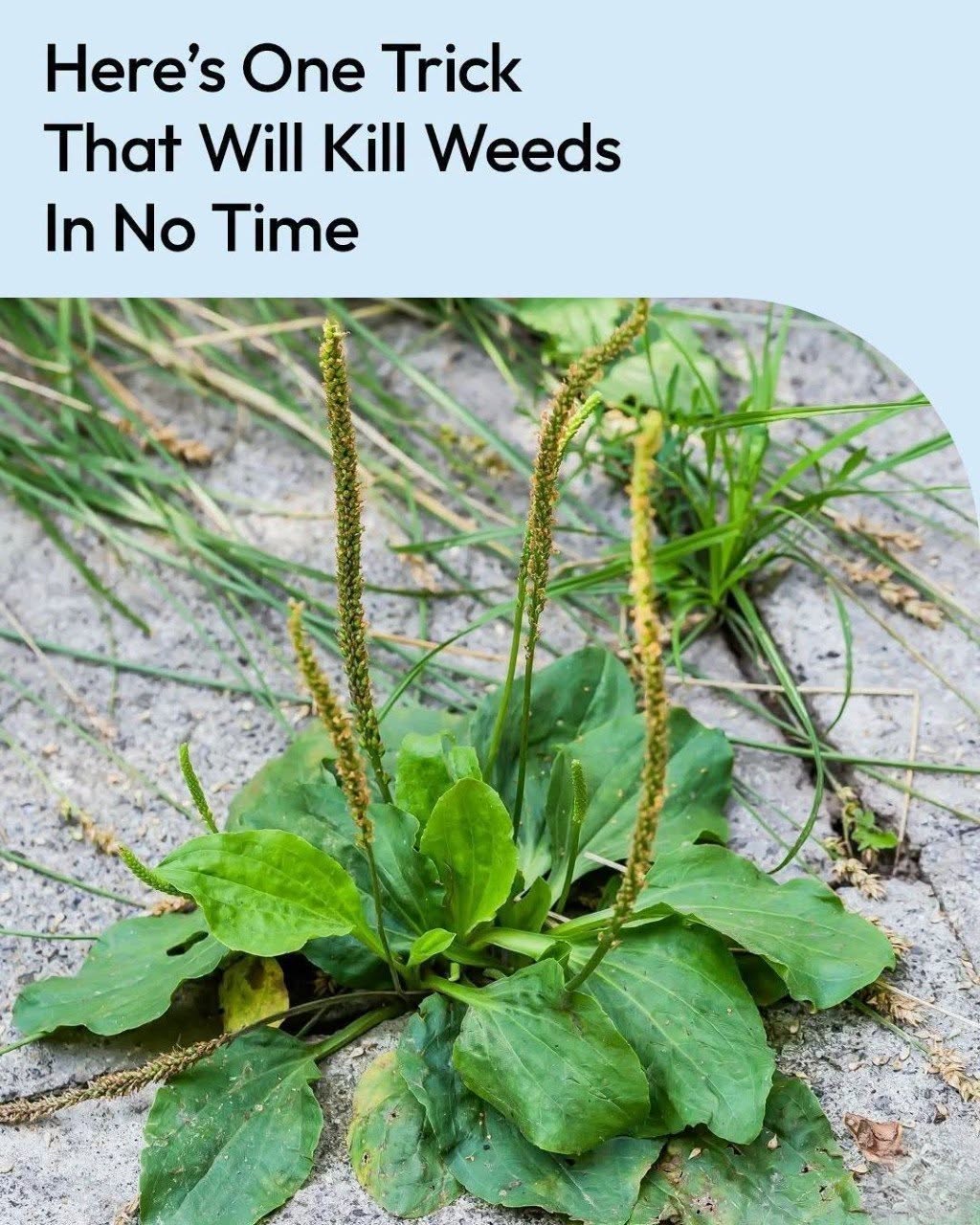
Vinegar can be an effective natural weed killer—but only if you use it correctly. Household vinegar will not work. You need horticultural vinegar with at least 20% acetic acid, and you need to understand its limitations.
| Vinegar Weed Killer Is Good For… | Vinegar Weed Killer Is Not Good For… |
|---|---|
| Annual weeds | Perennial weeds (roots will regrow) |
| Young, tender weeds | Established, woody weeds |
| Spot treatment in driveways and patios | Large lawn areas |
| Sunny day applications | Rainy or humid conditions |
Remember: Vinegar is a chemical, even if it is natural. Treat it with respect, use proper safety gear, and apply it carefully. When used correctly, it is a valuable tool in your weed-fighting arsenal.
A weed-free lawn is a marathon, not a sprint. Vinegar can help you win a battle, but consistent care wins the war.
To see the complete cooking instructions, go to the next page or click the Open (>) button and don't forget to SHARE it with your friends on Facebook.