

What to look for: A golden-yellow color (not green) on cantaloupe. A creamy-yellow color (not white) on honeydew. The stem end should be slightly soft when pressed.
The smell test: Sniff the stem end. It should smell sweet and fragrant. If it has no smell, it's not ripe. If it smells sour or fermented, it's overripe.
The shake test: For cantaloupe, you should hear the seeds rattling inside when you shake it.
Pro tip: Avoid melons with soft spots, bruises, or cracks.
Cherries
What to look for: Bright, shiny skin. Firm flesh. Green stems (brown stems mean older fruit).
The taste test: If the store allows it, sample one. Cherries should be sweet and juicy.
Pro tip: Avoid cherries with shriveled skin or sticky residue.
Citrus (Oranges, Grapefruit, Lemons, Limes)
What to look for: Heavy for their size (more juice). Firm but not hard. Thin, smooth skin (thick, rough skin means less juice). Bright color (though color isn't always a ripeness indicator; oranges can be green and still sweet).
The squeeze test: Gently squeeze the fruit. It should have a little give but not be soft.
Pro tip: Don't judge an orange by its color. Some of the sweetest oranges are greenish.
Grapes
What to look for: Plump, firm grapes firmly attached to green stems (brown, brittle stems mean older grapes). A light, white bloom (yeast) on the skin is natural and desirable.
The taste test: Sample one if allowed. Grapes should be sweet and crisp.
Pro tip: Avoid grapes that are wrinkled, soft, or have brown spots.
Kiwis
What to look for: Firm but yields slightly to gentle pressure (like an avocado). Fuzzy brown skin (no wrinkles, which indicate dehydration).
The squeeze test: Gently squeeze. If it's hard as a rock, it's not ripe. If it's mushy, it's overripe.
Pro tip: Kiwis ripen at room temperature. Once ripe, store in the refrigerator.
Mangoes
What to look for: Slightly soft when gently squeezed (like a peach). A fruity, sweet aroma near the stem end. Red or yellow color (depending on variety), but color isn't always reliable.
The squeeze test: Gently squeeze. It should yield slightly but not be mushy.
Pro tip: Avoid mangoes with black spots or wrinkled skin.
Peaches, Plums, and Nectarines (Stone Fruits)
What to look for: A sweet, fragrant aroma. Slightly soft when gently squeezed (but not mushy). A creamy-yellow background color (for peaches; red blush doesn't indicate ripeness).
The squeeze test: Gently press near the stem end. It should give slightly.
Pro tip: Avoid fruits with green near the stem (they were picked too early and won't ripen properly).
Pears
What to look for: Firm but yields slightly to gentle pressure near the stem end (like an avocado). Smooth, unblemished skin.
The neck test: Gently press your thumb at the stem end (the "neck" of the pear). If it gives slightly, it's ripe.
Pro tip: Pears ripen from the inside out. The neck ripens first, so always test there.
Pineapple
What to look for: A sweet, tropical aroma at the base. Fresh, green leaves (not brown or wilted). Firm but slightly soft when squeezed.
The leaf test: If a leaf pulls out easily, it's ripe. (But this isn't always reliable.)
The smell test: Sniff the base. It should smell sweet and pineappley. If it smells fermented or sour, it's overripe.
Pro tip: Avoid pineapples with soft spots, dark eyes, or a musty smell.
Watermelon
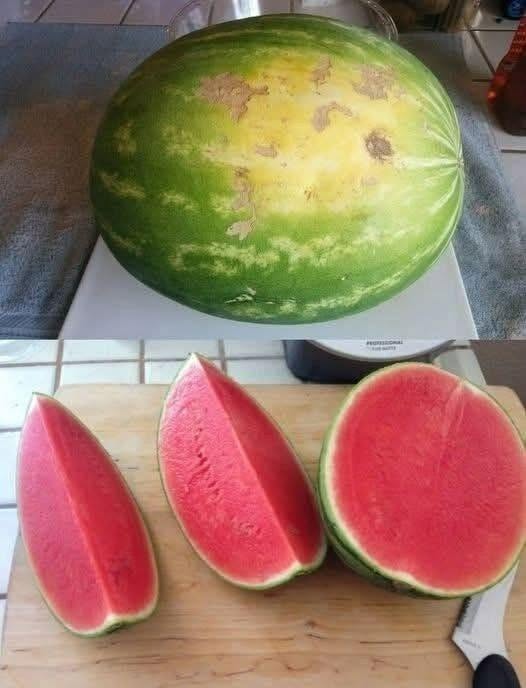
What to look for: A creamy-yellow spot (field spot) on the bottom where it sat on the ground. The darker and creamier the yellow, the sweeter the melon. A hollow, deep sound when tapped.
The thump test: Knock on the watermelon with your knuckles. A ripe one will sound hollow, like a drum. An underripe one will sound flat, like tapping a wall.
The weight test: It should feel heavy for its size (means it's full of water and not dried out).
Pro tip: Avoid watermelons with soft spots, cracks, or a white (instead of yellow) field spot.
How to Ripen Fruit at Home (And How to Store It)
Continued on next page//
To see the complete cooking instructions, go to the next page or click the Open (>) button and don't forget to SHARE it with your friends on Facebook.