

At room temperature (on the counter):
-
Avocados, bananas, kiwis, mangoes, peaches, pears, plums, tomatoes
In a paper bag (to speed ripening):
-
Place unripe fruit in a paper bag with a banana or apple (they release ethylene gas, which speeds ripening). Fold the top loosely.
In the refrigerator (once ripe):
-
Most fruits can be refrigerated once ripe to extend their life. Berries, grapes, cherries, and citrus do well in the fridge.
Do not refrigerate before ripe:
-
Avocados, bananas, peaches, pears, plums, tomatoes (cold temperatures stop the ripening process).
What About Organic vs. Conventional?
This is a personal choice. Here's what you should know.
The "Dirty Dozen" (fruits with the most pesticide residue): Strawberries, grapes, peaches, nectarines, apples, blueberries.
The "Clean Fifteen" (fruits with the least pesticide residue): Avocados, pineapple, mango, kiwi, cantaloupe, honeydew.
If you're on a budget, prioritize organic for the Dirty Dozen. Conventional is fine for the Clean Fifteen.
A Confident, Flavorful Shopping Trip
Here's what I want you to take away from this guide.
You don't need to be a produce expert to pick good fruit. You just need to use your senses—look, feel, and smell.
Check for soft spots, bruises, and mold. Give it a gentle squeeze. Sniff the stem end. And when in doubt, ask the produce clerk (they usually know which batch is best).
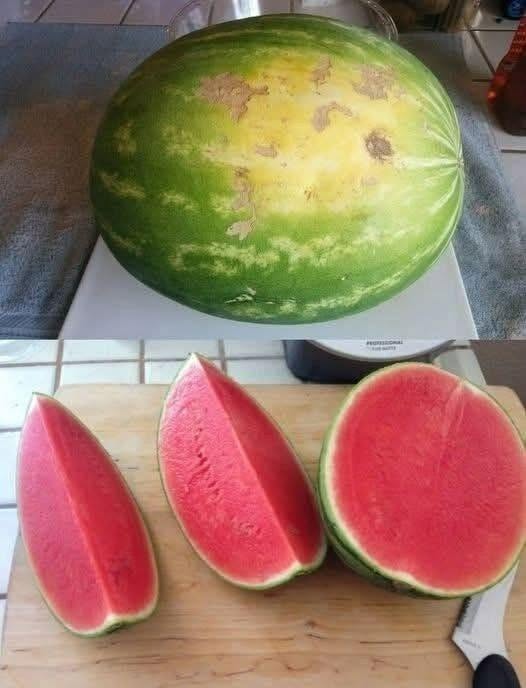
With these tips, you'll never bring home a mealy peach or a bland watermelon again.
Now go hit the produce aisle with confidence.
Now I'd love to hear from you. What's your best fruit-picking tip? What's the worst fruit you've ever bought? Drop a comment below – I read every single one.
And if this guide helps you pick better fruit, please share it with a friend who always struggles in the produce aisle. A text, a link, a conversation. Good information is meant to be shared.