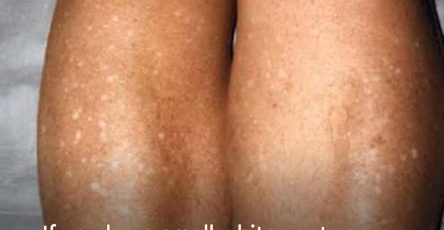

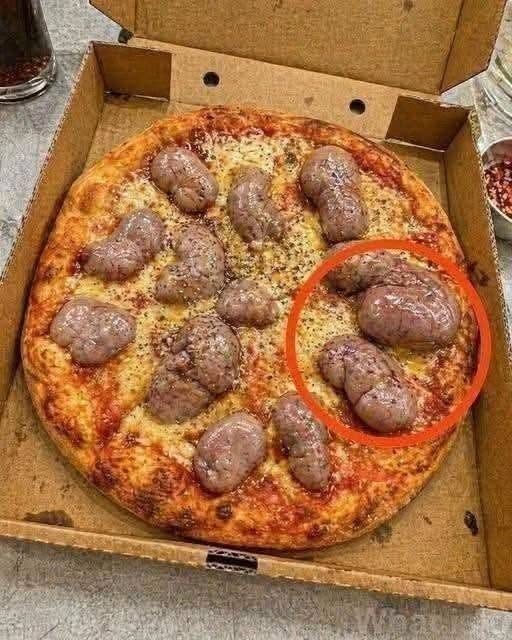
The truth: Fresh mozzarella is traditionally stored in whey or brine to preserve its moisture and delicate texture. When heated on a pizza, that moisture naturally releases—especially if low-moisture mozzarella hasn’t been fully drained beforehand. This is normal moisture separation, not spoilage. Pro tip: If you’re using fresh mozzarella at home, blot it gently with paper towels before topping your pizza to minimize excess water.
3. Translucent or “Plastic-Looking” Cheese After Baking
The claim: “It’s not real cheese—it’s ‘plastic cheese’!”
The truth: Most commercial pizza cheese is low-moisture mozzarella formulated with emulsifiers like sodium citrate. These ingredients help the cheese melt evenly, stretch beautifully, and resist separating into oil and solids—a feature, not a flaw. This is still 100% real cheese, simply engineered for consistent performance. The idea of “plastic cheese” is a myth; all cheese sold in the U.S. is regulated by the FDA and must meet strict standards of identity.
4. Orange or Pink Tint in Sauce or Crust
The claim: “It’s mold or contamination!”
The truth: That subtle color shift is often the result of lycopene—the natural red pigment in tomatoes—reacting with alkaline ingredients in dough or a pinch of baking soda. It’s a harmless chemical interaction, especially common in deep-dish or thick-crust pizzas where sauce and dough spend more time in contact during baking. No danger, just chemistry.
When to Actually Be Concerned
While most unusual-looking pizza traits are perfectly normal, true signs of spoilage do exist. Trust your senses:
Visible mold: Fuzzy growth in green, black, or blue on sauce, cheese, or crust
Off odors: A sour, rancid, or ammonia-like smell
Abnormal texture: A sticky, stringy slime (distinct from normal moisture)
Time and temperature risk: Pizza left unrefrigerated for more than 2 hours (or 1 hour in hot weather)
Rule of thumb: If it smells off or looks fuzzy, discard it. If it simply appears shiny, glossy, or dotted with harmless white specks, it’s almost certainly safe to enjoy.
The Real “Scary” Truth? Food Misinformation
Continued on next page//