

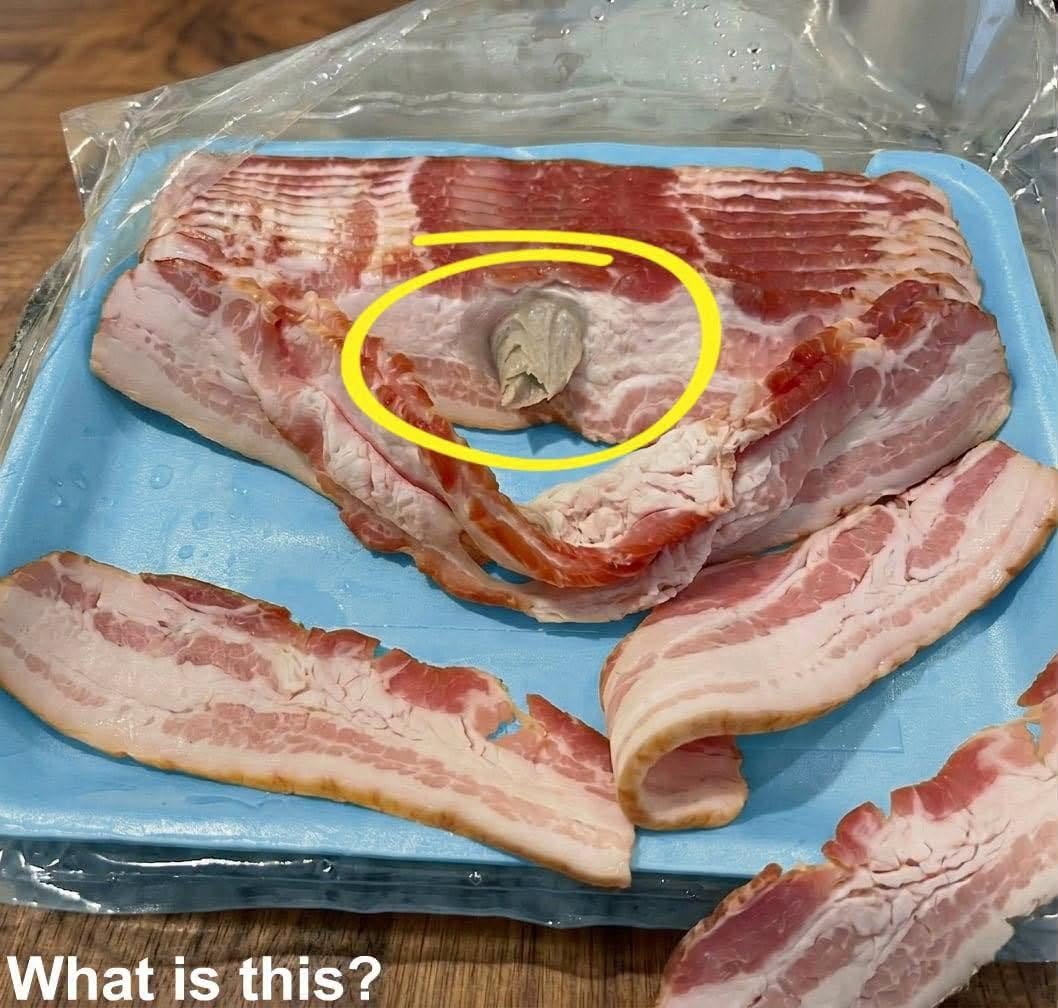
That small, seemingly insignificant moment taught me a much larger lesson about how we approach food today. We live in an era of unprecedented transparency, yet we’re also bombarded with viral clips, alarmist headlines, and well-meaning but often misleading food critiques. When something looks unfamiliar, our instinct is often to assume the worst. But the reality of food production—especially with traditional, minimally processed staples—is far more nuanced. Knowledge doesn’t replace caution; it replaces fear. When we take the time to understand how our food is made, preserved, and packaged, we can move past suspicion and cook with clarity.
Unpacking these everyday food surprises isn’t about ignoring quality standards or accepting subpar products. It’s about building informed confidence. Here’s why that matters:
It demystifies common food quirks. What looks like a defect is often just a natural result of traditional curing, pressing, or slicing methods. No jargon, no guesswork—just straightforward facts that put your mind at ease and keep you from unnecessary waste.
It supports mindful eating habits. True awareness means focusing on transparency rather than paranoia. When you know what’s normal, you can redirect your energy toward what actually matters: nutrition, balance, and sustainable choices that align with your values.
Continued on next page//