

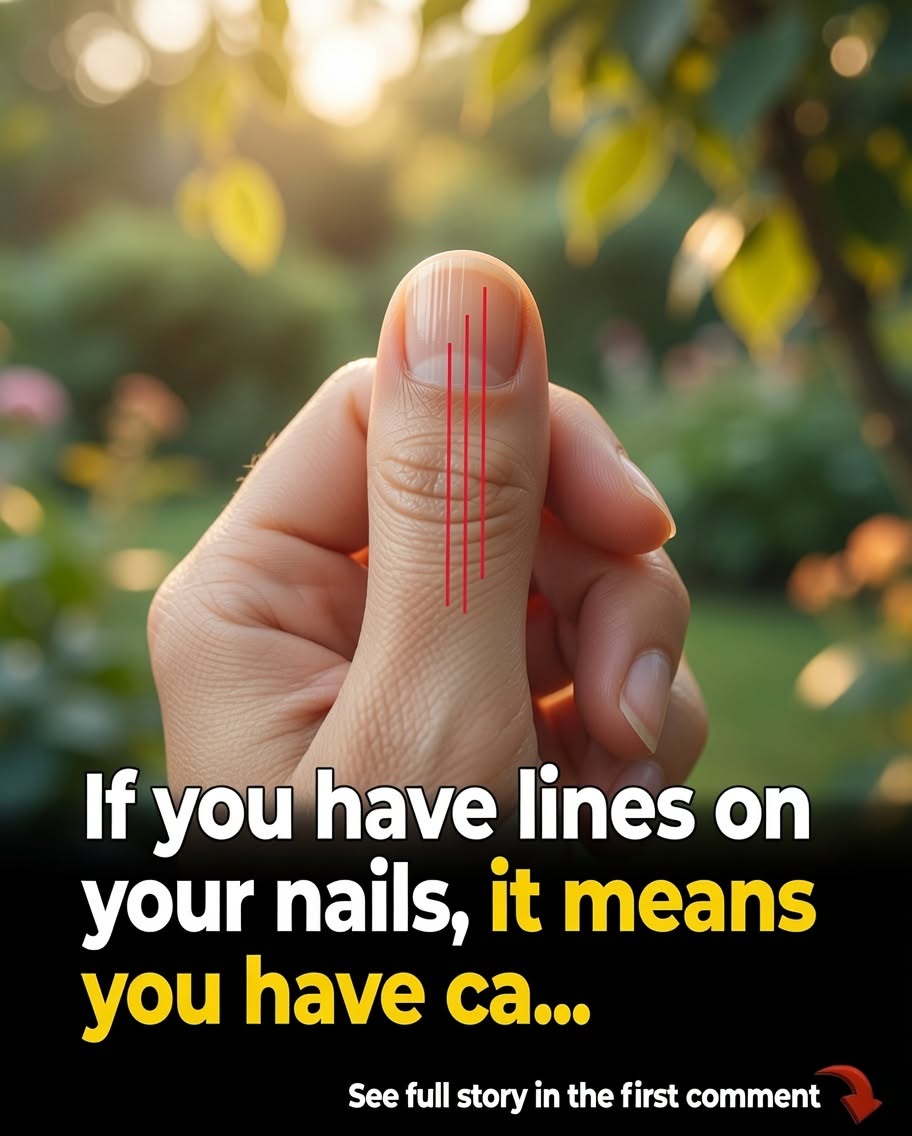
Nails are living tissues, and like all living tissues, they rely on proper nutrition. Nutritional deficiencies can manifest as changes in nail texture, color, and strength.
Some common deficiencies that can affect nails include:
- Iron deficiency: Can cause thin, brittle nails or even spoon-shaped nails (Koilonychia).
- Vitamin B12 deficiency: Can result in darkened nails or unusual pigmentation.
- Zinc deficiency: May cause white spots, ridges, or weak nail growth.
If nail lines are accompanied by fatigue, hair loss, or other symptoms, it’s worth checking your diet and considering a medical evaluation.
White Lines or Marks on Nails
White lines or spots on nails, often referred to as leukonychia, are very common. Most people believe they’re caused by calcium deficiency, but this is usually a myth.
In most cases, these white marks are caused by minor trauma to the nail—something as simple as accidentally hitting your finger or biting your nails. They are usually harmless and grow out naturally.
However, if the white lines appear across all nails or in large sections, they could be associated with more serious conditions, such as Leukonychia, which may require medical attention.
Deep Grooves, Splitting, or Brittle Nails
Nails that split easily, have deep ridges, or break with minimal pressure are another signal to pay attention to.
Causes of this type of nail damage may include:
- Aging and natural nail thinning
- Frequent exposure to water or harsh chemicals
- Skin conditions like Eczema
- Prolonged use of nail polish or acrylic nails without breaks
Prevention tips:
- Wear gloves when handling water or cleaning chemicals
- Keep nails moisturized
- Limit artificial nail treatments and give your nails time to recover
When to Seek Medical Advice
Continued on next page//
To see the complete cooking instructions, go to the next page or click the Open (>) button and don't forget to SHARE it with your friends on Facebook.