

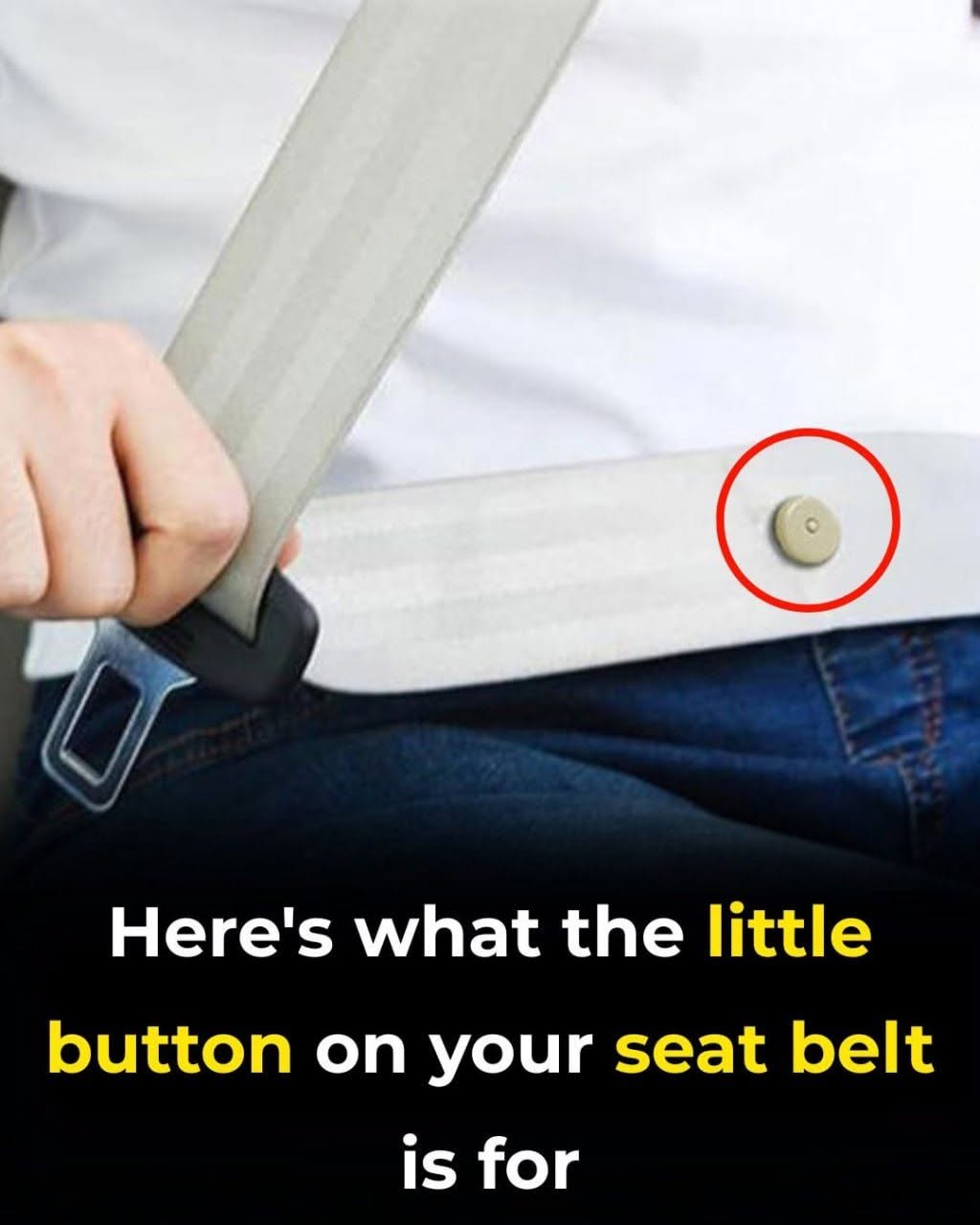
When it comes to vehicle safety, most people think of airbags, anti-lock brakes, or crash-test ratings. But sometimes, it’s the smallest parts that play a surprisingly crucial role in your comfort, convenience, and safety. One such component is the seat belt stop button—a tiny plastic piece with a big job.
You might not even notice it—until it’s gone.
What Is the Seat Belt Stop Button?
The seat belt stop button (also called a seat belt retainer button) is a small plastic nub attached directly to the seat belt strap. Its main job is to hold the metal latch plate—the part you click into the buckle—in the correct position when the seat belt is not in use.
Without this button, the latch plate would slide freely along the length of the belt, dropping all the way to the floor or getting stuck out of reach. This would make fastening your seatbelt awkward, time-consuming, and frustrating—especially when you’re in a rush.
Where Is It Located?
Most vehicles are equipped with two stop buttons on each seatbelt:
-
Lower Stop Button: Positioned just below the latch plate to prevent it from sliding down toward the floor.
-
Upper Stop Button (optional): Located above the latch plate to keep it from moving too far up the belt toward the shoulder.
Together, these buttons keep the latch plate in the ideal range of motion, ensuring it’s always within easy reach whenever you buckle up.
What Happens If It Breaks or Falls Off?
If your seat belt stop button breaks, wears out, or falls off, you’ll quickly notice a difference. The latch plate may:
-
Slide down out of reach
-
Get stuck in an awkward spot
-
Be harder to grab, especially in low light or with one hand
While this may not seem like a safety hazard at first, it can lead to discomfort, distraction, and delayed seatbelt use—which can become dangerous in emergencies.
Is It Easy to Replace?
Continued on next page//
To see the complete cooking instructions, go to the next page or click the Open (>) button and don't forget to SHARE it with your friends on Facebook.