
There’s no doubt that bananas rank right up there with some of the most loved fruits on earth. Not only are they cheap and handy to eat but they are also packed with nutrients that are good for your body.
Despite being ubiquitous, bananas have long been the center of controversy in the health sector. While some people believe that bananas make up the best clean fuel for athletes, others consider them the most evil things that they could possibly consume. Hence, what is the truth behind this fruit?
To know more about bananas, it is important to take into account their benefits, impact on the body, and myths surrounding them in the modern viral environment.
So let’s look at the actual science behind banana benefits and clear up those common myths.

The Nutrient Profile: What’s Actually Inside?
When you remove the banana peel, you are not only enjoying its delicious taste but also unlocking an array of micronutrients. One medium banana provides you with a perfect balance of vitamins and minerals that are necessary for your everyday functioning.
For example, bananas are excellent sources of:
Potassium: A crucial mineral and electrolyte.
Vitamin B6 (pyridoxine): Necessary for the development of the brain and maintenance of the nervous and immune system.
Vitamin C: An antioxidant responsible for maintaining skin health and enhancing the immune system.
Magnesium: Participates in more than 300 biochemical reactions in the body.
Fiber: Important for digestion and feeling full.
Healthline provides some interesting statistics about bananas. For instance, one banana contains only 100 to 110 calories but is rich in fibers. They are naturally free of fat and have only negligible amounts of protein. The combination of these attributes makes them the “cleanest” source of carbohydrates, which are the body’s main fuel.
The Cardiovascular Connection: Supporting Heart Health
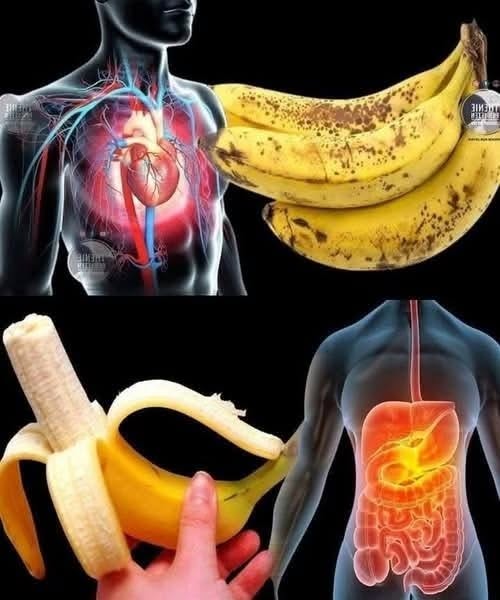
Another of the most extensively proven benefits of bananas is their heart-friendly nature, largely due to the high amounts of potassium they contain. Potassium is an electrolyte that carries a small electrical charge, which is vital for the heart’s ability to beat properly.
Potassium serves several critical functions:
Regulating Blood Pressure: Potassium helps the body eliminate excess sodium through urine and relaxes the walls of blood vessels.
Water Balance: Alongside sodium, potassium is responsible for maintaining the proper balance of fluids inside and around body cells.
Nerve & Muscle Function: Potassium supports the normal functioning of muscles, including the contraction of the heart muscle.
According to the Cleveland Clinic, potassium-rich diets have been consistently linked to lower blood pressure and a reduced risk of stroke. Unfortunately, modern Western diets tend to contain too much sodium and not enough potassium. The good news is that adding a banana to your daily routine can be a simple first step toward achieving a healthier balance.
The Gut Microbiome and Digestive Health
While bananas are commonly advised as part of a BRAT (Bananas, Rice, Applesauce, Toast) diet for those with upset stomachs, they also offer additional digestive benefits.
One of the main reasons bananas are considered helpful for digestion is their fiber content. They have:
Soluble Fiber – This type of fiber is capable of dissolving in water, creating a gel-like substance in the digestive system. It slows down the digestion process, allowing your body to absorb nutrients.
Resistant Starch – This type of fiber is abundant in unripened or somewhat green bananas. While regular starches are broken down in the small intestine, resistant starch reaches the large intestine and acts as a prebiotic.
Studies have shown that resistant starch acts as food for beneficial bacteria in your gut. The process of breaking down the starch results in the creation of short-chain fatty acids such as butyrate. These acids are necessary for proper colon functioning, leading to:
Reduction of systemic inflammation.
Enhancement of the intestinal barrier.
Improvement of nutrient absorption.
Elimination of common problems like bloating and constipation.
Continued on next page//
To see the complete cooking instructions, go to the next page or click the Open (>) button and don't forget to SHARE it with your friends on Facebook.