

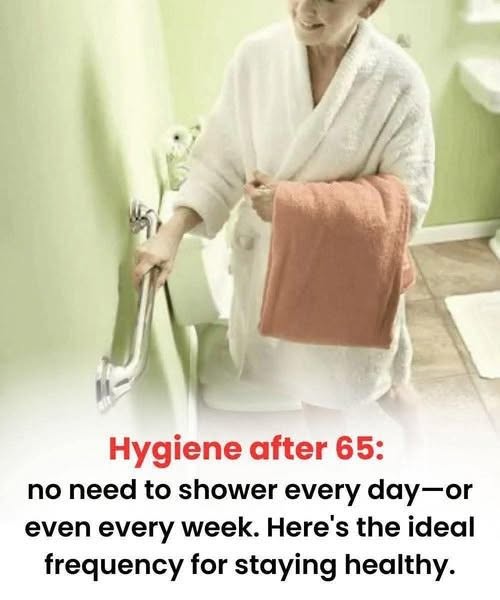
The Daily Habit We Never Questioned
For most of us, the daily shower is a sacred ritual. It’s how we wake up in the morning or how we wash off the stress of the day before bed. We’ve been taught since childhood that cleanliness is next to godliness, and that “skipping a day” is a sign of poor hygiene.
But here is a truth that many modern dermatologists and geriatric specialists are starting to whisper: The daily shower is a modern invention, not a biological necessity. And as we cross the threshold of 65, that daily scrub might actually be doing more harm than good.
To understand why the daily shower needs to go, we have to look at what happens to our skin as the decades pass.
- The Soap Factor: Most commercial soaps are alkaline. Aging skin is slightly acidic. Every time you lather up with hot water and soap, you are essentially stripping away the tiny bit of oil your body worked all day to produce.
- The “Microbiome” Secret: Your skin is home to an entire ecosystem of “good” bacteria. Daily scrubbing with antibacterial soaps is like a wildfire for this ecosystem. It wipes out the good guys, leaving the door open for fungal infections, rashes, and extreme dryness.
2. The “Ideal Frequency”: What the Experts Say
Continued on next page//
To see the complete cooking instructions, go to the next page or click the Open (>) button and don't forget to SHARE it with your friends on Facebook.

When an elderly person goes through a delicate stage, these 4 changes may appear and deserve attention.

Men born in these months are the most faithful husbands — Is your man on this list?

The only color you should never use in your house.

If You Ever Spot This Insect, Get Rid of It Immediately!

Where to Dispose of Dirty Mop Water: Toilet or Bathtub?

My friends grandparents passed and he grabbed these but has no idea what that are
