

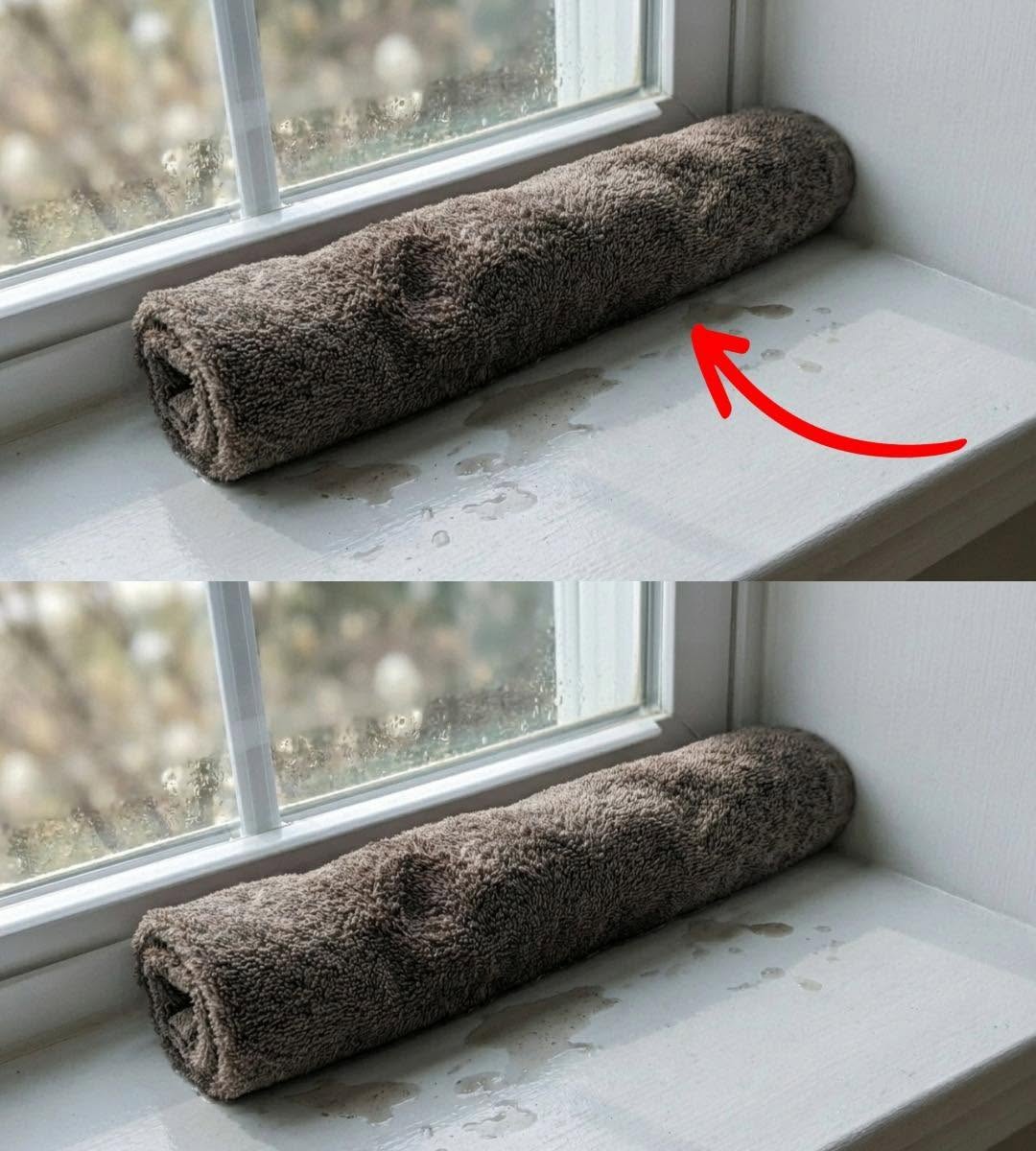
Think of this method as a supplementary cooling tactic, not a primary solution.
-
The Pros:
-
-
Low-Cost & Accessible: It requires only a towel and water.
-
-
-
-
Energy-Free: It uses zero electricity.
-
Localized Relief: It can create a noticeably cooler microclimate right by your bed if the bed is near the window.
-
-
Psychologically Cooling: The sensation of slightly cooler, moving air can feel refreshing and help signal your body it’s time to sleep.
-
-
Highly Humidity-Dependent: Its effectiveness plummets on humid nights.
The Cons & Caveats:
-
-
-
-
Very Localized: It won’t cool an entire room like an AC unit.
-
Potential for Mold/Mildew: Leaving a damp towel on a wooden windowsill nightly can damage the paint and wood, and promote mold growth in the corner of your room. Always place a waterproof tray or plate underneath the towel.
-
Mosquito Welcome Mat: An open window, even cracked, is an invitation for insects unless you have a very fine screen.
-
How to Optimize the Damp Towel Trick
If you want to give it a proper try, maximize its potential:
-
Check the Humidity: Use a weather app. If the dew point is high, don’t expect much.
-
Use a Thin, Cotton Towel: A hand towel or flour sack towel is ideal. Thick bath sheets hold too much water and won’t dry/evaporate as efficiently.
-
Wring it Out Thoroughly: You want it damp, not wet. Excess water will just drip and cause damage.
-
Pair with a Fan: Place a small fan on the floor or a table near the window, pointing inward. This will actively pull the cooled air from the towel’s surface and distribute it into the room. This is the single best way to amplify the effect.
-
Protect Your Sill: Use a plastic or metal tray as a barrier.
-
Time it Right: Do it right before bed so the towel is at peak dampness when you’re trying to fall asleep.
More Effective Evaporative Cooling Alternatives
Continued on next page//
To see the complete cooking instructions, go to the next page or click the Open (>) button and don't forget to SHARE it with your friends on Facebook.
Identifying Small Glass Tubes Containing Three Tiny Ball Bearings

The 12 Most Contaminated Fish to Avoid at the Grocery Store
If You Have Lines on Your Nails, Your Body Might Be Trying to Tell You Something Important…

Eat These 4 Bedtime Foods After 60 to Wake Up Stronger, Lighter, and More Energized

Natural Ways to Support Fuller, Healthier-Looking Hair

A 73-Year-Old Shares How Embracing a New Chapter Helped Her Find Happiness and Peace
-
