

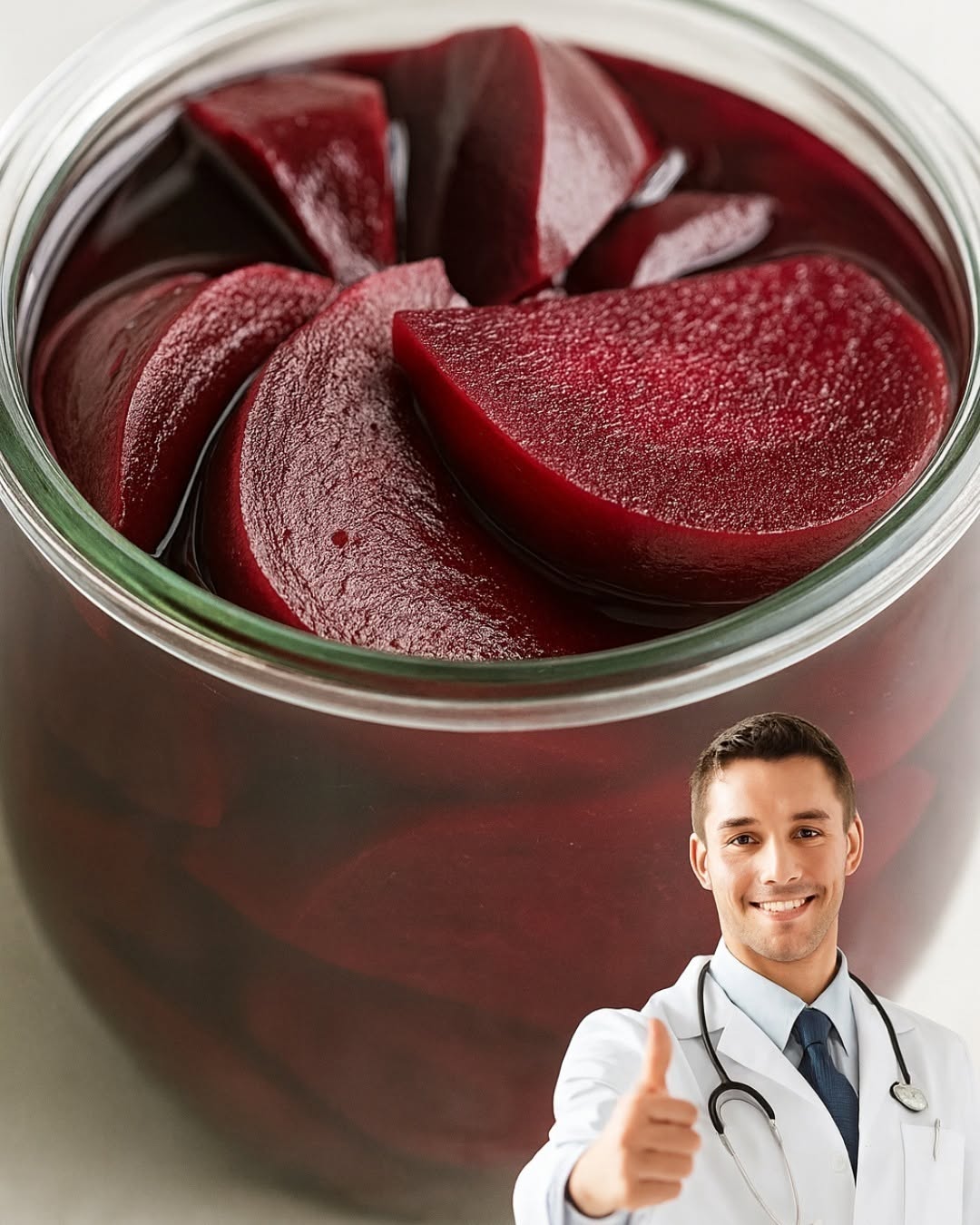
Why It Happens: The nitric oxide produced from beet nitrates boosts blood flow and oxygen delivery to working muscles, allowing them to function more efficiently during physical activity.
The Evidence: Research in the Journal of the International Society of Sports Nutrition indicates that athletes who consume beet juice before workouts often experience increased endurance, reduced fatigue, and better overall exercise efficiency.
Tip: For peak effect, eat or drink beets 2–3 hours before exercise to allow time for nitrate conversion.
3. Digestion Gets a Boost
Why It Happens: One cup of beets delivers approximately 3.8 grams of dietary fiber, which supports gut motility and serves as prebiotic fuel for beneficial gut bacteria.
The Result: Over time, you may notice more regular bowel movements, reduced bloating, and improved overall gut health. The fiber content also contributes to a feeling of fullness, which can support healthy weight management.
4. Liver Support & Natural Detoxification
Why It Happens: Beets contain betaine, a compound that supports liver function by helping process fats and promoting the organ’s natural cleansing pathways.
Important Note: While “detox” is an overused marketing term, beets do genuinely aid the liver’s innate ability to filter toxins and metabolize nutrients. They support the organ’s work—they don’t replace it.
5. Brain Health May Improve
Why It Happens: Increased blood flow from nitric oxide may enhance oxygen and nutrient delivery to the brain, particularly to regions responsible for cognitive function.
The Evidence: A study in the Nitric Oxide Journal found that older adults who drank beet juice showed improved brain connectivity in areas linked to executive function, such as decision-making and working memory.
The Harmless (But Surprising) Side Effect: Beeturia
What It Is
Pink or red urine or stool after eating beets—a phenomenon known as beeturia.
Why It Happens
Caused by betacyanin, the vibrant pigment responsible for beets’ deep red color. Not everyone metabolizes this pigment the same way.
Is It Dangerous?
No—it affects about 10–14% of people, particularly those with low stomach acid or iron deficiency. It is totally harmless and temporary, usually resolving within 24–48 hours.
Quick Reassurance: If you notice this change, don’t panic. It simply means your body is processing the beet pigments normally.
Who Should Be Cautious?
While beets are safe for most people, certain individuals should exercise moderation or consult a healthcare provider before increasing intake.
Kidney Stone Formers: Beets are high in oxalates, which can contribute to calcium-oxalate stone formation in susceptible individuals. If you have a history of kidney stones, discuss beet consumption with your doctor.
People on Blood Pressure Medication: Because beets may naturally lower blood pressure, combining them with antihypertensive medications could potentially amplify effects. Monitor your levels and work with your healthcare provider.
Those with Low Calcium Levels: Oxalates can slightly reduce calcium absorption. If this is a concern, pair beets with calcium-rich foods (like yogurt or leafy greens) to offset this effect.
Individuals with Digestive Sensitivities: The high fiber content may cause temporary bloating or gas in some people. Start with small portions and increase gradually.
How to Eat Beets Daily: Simple, Delicious Ideas
Continued on next page//