

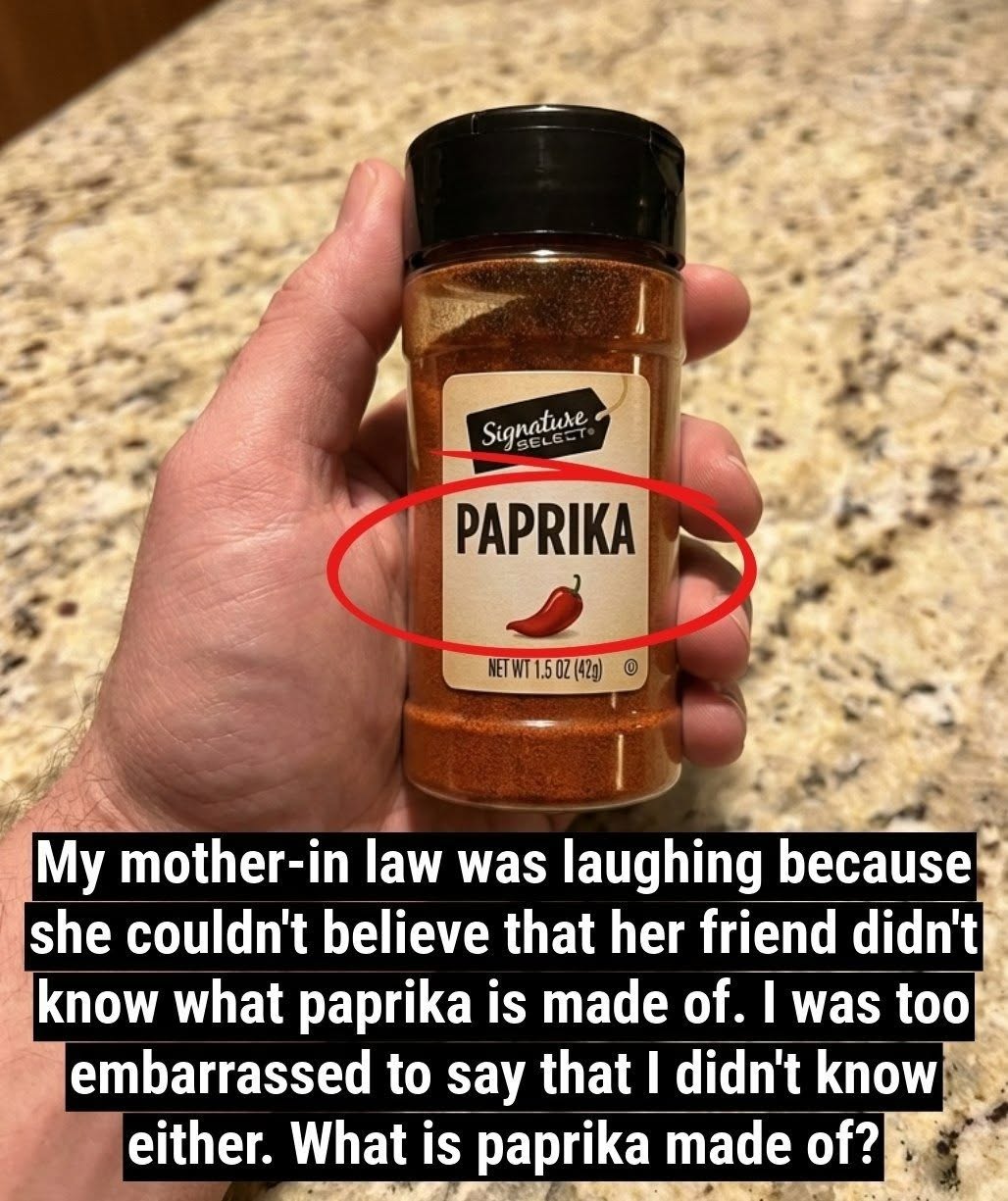
Not all paprika is created equal. Here’s your cheat sheet.
| Type | Flavor Profile | Color | Best Uses |
|---|---|---|---|
| Sweet Paprika (Hungarian) | Mild, slightly sweet, almost fruity | Bright red | Goulash, rubs, deviled eggs, garnish |
| Hot Paprika (Hungarian) | Pungent, spicy, warming | Deep red | Spicy sausages, hearty stews, chili |
| Smoked Paprika (Spanish) | Smoky, earthy, bacon-like | Dark brick red | Paella, chorizo, grilled meats, roasted veggies |
| Half-Sweet (Hungarian) | Balanced, medium heat and sweetness | Medium red | Versatile everyday use |
| American Paprika | Very mild, mostly for color | Light red/pink | Garnish on potato salad, eggs, mac and cheese |
My personal pantry always has three: sweet Hungarian for everyday cooking, smoked Spanish for anything grilled or roasted, and a little jar of hot for when I want a warm kick without using chili powder.
The “Paprika Is Bugs” Myth – Where Did It Come From?
Let me put this to rest completely.
The confusion comes from a food coloring called carmine (also known as cochineal extract or E120). Carmine is made by crushing female cochineal insects, which produce a vibrant red pigment. You’ll find it in some red yogurts, candies, fruit juices, and even some cosmetics.
Paprika extract is also used as a natural red food coloring. Both carmine and paprika extract can be listed as “natural coloring” on ingredient labels. Somewhere along the way, people confused the two.
Paprika = ground peppers.
Carmine = crushed bugs.
They are completely different. Paprika is vegetarian, vegan, kosher, halal, and 100% insect-free. The only bugs near my paprika are the ones occasionally finding their way into my kitchen (which is a different article).
Does Paprika Have Any Health Benefits?
Since we’re talking about what paprika is made of—real, whole peppers—it makes sense that it carries some of the same benefits as fresh peppers.
Paprika is surprisingly nutrient-dense for a spice:
-
Vitamin A (from beta-carotene) – supports eye health and immune function
-
Vitamin E – a powerful antioxidant
-
Vitamin B6 – important for brain health and energy metabolism
-
Iron – especially in sweet paprika, which contains a surprising amount
-
Capsaicin (in hot paprika) – linked to pain relief, metabolism boost, and anti-inflammatory effects
A tablespoon of paprika provides about 20% of your daily vitamin A needs. Not bad for something you sprinkle on deviled eggs.
That said, you’d have to eat a lot of paprika to get significant benefits. Think of it as a delicious bonus, not a health supplement.
How to Tell If Your Paprika Is Good (Because So Much of It Is Stale)
Here’s a sad truth: most supermarket paprika is old, faded, and flavorless. Paprika loses its vibrant color and complex flavor within about six months of grinding. Yet the jar on the grocery store shelf might have been there for a year or more.
Here’s how to know if your paprika is worth using:
-
Color check: It should be bold, bright red or deep crimson. Pale, orange, or brownish paprika is past its prime.
-
Smell test: Fresh paprika smells sweet, peppery, and distinctly like dried peppers. If it smells like dust or nothing at all, toss it.
-
Taste it: Fresh paprika should taste vibrant and slightly fruity (sweet) or smoky. Flat, bitter, or cardboard flavors mean it’s gone.
-
Buy small quantities: Don’t buy the giant value-size jar unless you run a restaurant. Buy the smallest amount you can from a store with high turnover.
My rule: Replace your paprika every 6–8 months. Write the purchase date on the jar with a marker. You’ll be amazed at the difference fresh paprika makes.
How to Store Paprika for Maximum Flavor
Continued on next page//