What Is Paprika Made Of? The Truth Behind the Spice That Shocked the Internet

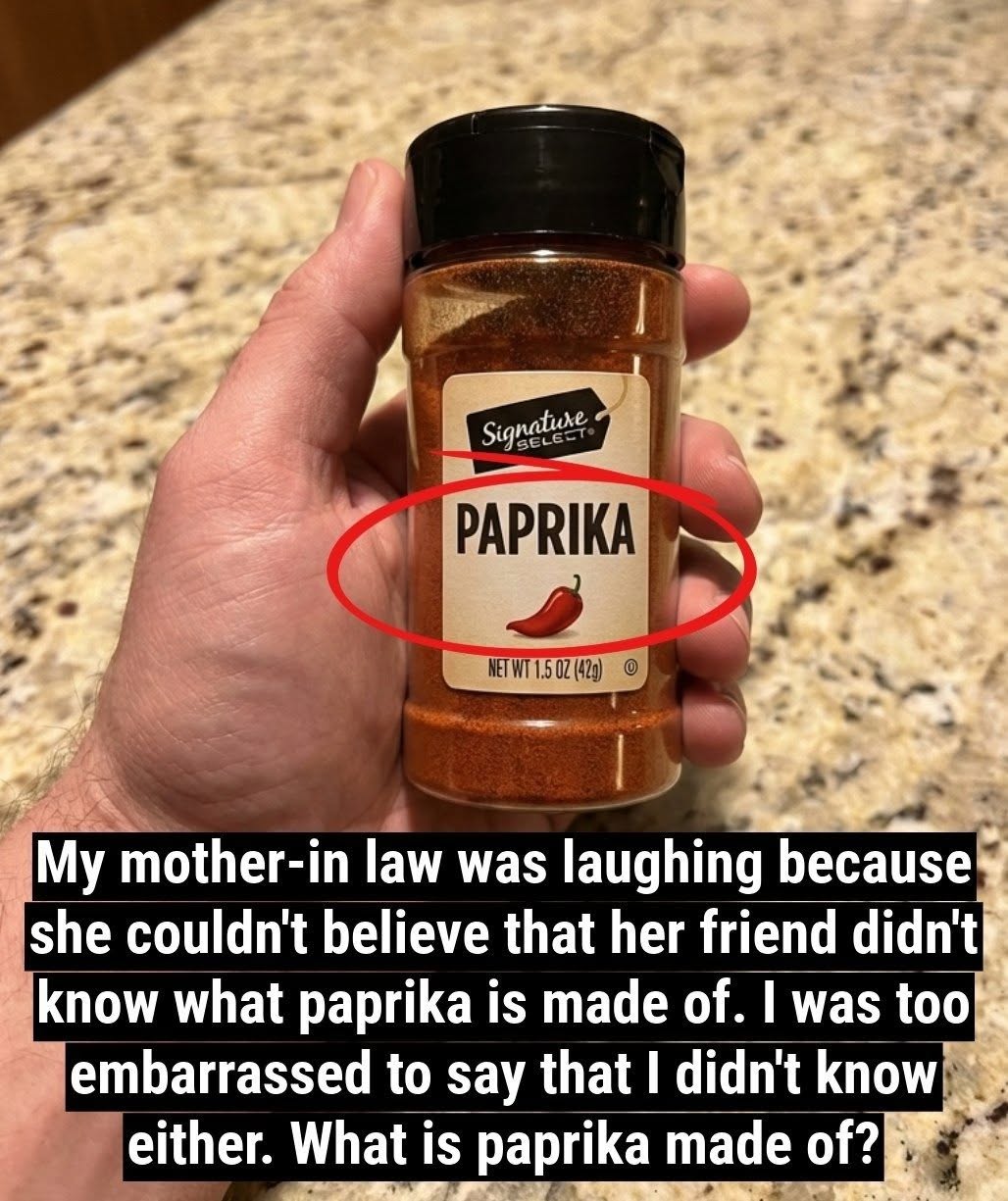
How to Spot Real Paprika
To ensure you’re buying pure paprika:
- Check the ingredient list: It should say only “paprika” or “ground red peppers.”
- Avoid vague labels like “coloring,” “natural flavors,” or “spice blend.”
- Buy from trusted brands: Look for Hungarian (Szeged), Spanish (La Chinata), or certified organic options.
Fun fact: Hungary and Spain are the world’s top paprika producers—and their traditional methods involve sun-drying or smoking whole peppers before grinding.
Why Paprika Deserves a Place in Your Kitchen
Beyond its bold color, paprika offers real benefits:
Rich in antioxidants (like vitamin C and carotenoids)
- Contains capsaicin (even in sweet varieties), which may support circulation and metabolism
- Adds depth without overwhelming heat
The Bottom Line
Paprika is not made from bugs. It never has been in traditional or commercial spice production. The viral rumors confuse it with an entirely different ingredient (carmine)—a mix-up that’s understandable but inaccurate.
So go ahead—sprinkle that paprika on your eggs, roast your potatoes with it, stir it into your goulash.