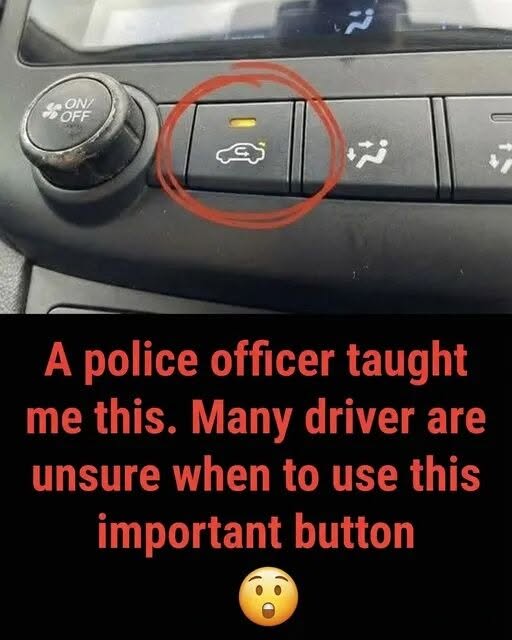
What the Air Recirculation Button Means for Your Driving Experience

When to Keep Recirculation OFF
|
Situation
|
Why Fresh Air Matters
|
|---|---|
|
Cold, rainy, or humid weather
|
Trapped moisture fogs windows rapidly. Fresh air reduces condensation and maintains visibility
|
|
Long highway drives
|
Stale, oxygen-depleted air contributes to drowsiness. Fresh airflow supports alertness
|
|
Passengers feeling stuffy
|
CO₂ buildup causes headaches or fatigue. Outside air refreshes the cabin environment
|
|
After using strong fragrances
|
Air fresheners or cleaning products concentrate in recirculated air—ventilate to disperse
|
Critical safety note: Never use recirculation continuously in freezing conditions—fogged windows compromise visibility and reaction time.
The Balanced Approach: A Simple Routine
Smart drivers treat recirculation as a temporary tool, not a permanent setting: Start every drive with recirculation OFF – Let fresh air circulate for the first 5–10 minutes Switch ON only when needed – During heat waves, traffic jams, or allergy season Return to fresh air mode – After 15–20 minutes of recirculation, or when conditions improve Always use fresh air in winter – Prevents dangerous window fogging This rhythm maintains air quality while harnessing recirculation's benefits—without compromising safety or comfort.
One Maintenance Step That Multiplies Benefits
Recirculation only works well with a clean cabin air filter. When clogged: → Airflow weakens, reducing cooling/heating efficiency → Pollutants bypass the filter, entering the cabin → Musty odors develop from trapped moisture and debris Replace your cabin air filter every 12,000–15,000 miles (or annually). It's an inexpensive, often DIY-friendly task that dramatically improves air quality—especially when using recirculation.
The Bottom Line
That looping arrow isn't just another button—it's a climate control ally. Used wisely, it cools your cabin faster on sweltering days, shields you from pollutants in traffic, and eases allergy symptoms during bloom season. Used carelessly, it fogs your windows or leaves you drowsy on long drives. Master this small switch, and you'll drive not just cooler or warmer—but smarter. Your comfort, your health, and your safety all breathe easier when you know exactly when to close the loop—and when to let the world back in. Drive well. Breathe better.