

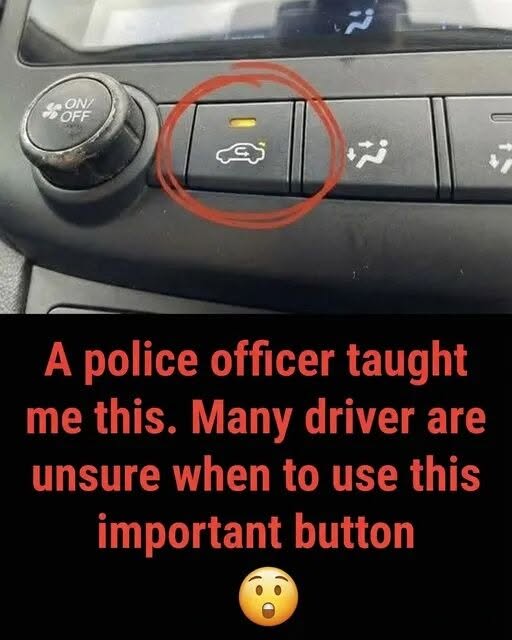
Master Your Climate: The Smart Way to Use Your Car's Air Recirculation Button
That small dashboard icon—a car with a looping arrow inside—sits quietly among your controls, often overlooked yet surprisingly powerful. This is your air recirculation button: a simple feature that, when used thoughtfully, transforms cabin comfort, air quality, and even fuel efficiency. Yet many drivers leave it untouched, unaware of how this small switch shapes their driving experience.
Let's demystify what it does—and when to use it.
How It Works: Two Modes, Two Purposes
Your vehicle's ventilation system operates in two distinct modes:
→ Fresh Air Mode (Recirculation OFF):
Outside air flows through the cabin air filter, then into the cabin—bringing in oxygen, removing stale air, and introducing whatever the outside environment holds (pollen, exhaust fumes, or fresh mountain breeze).
→ Recirculation Mode (Recirculation ON):
An internal door closes, sealing the cabin from outside air. The system reuses and re-cools (or re-heats) air already inside—creating a closed loop that intensifies climate control without drawing in external elements.
Neither mode is universally "better." Each serves a purpose—and knowing when to switch between them makes all the difference.
When to Turn Recirculation ON
|
Situation
|
Why It Helps
|
|---|---|
|
Scorching heat
|
Re-cooling already-chilled cabin air works faster than cooling hot outside air—reducing AC strain and improving fuel efficiency
|
|
Heavy traffic or exhaust fumes
|
Blocks diesel smoke, carbon monoxide, and other pollutants from entering the cabin
|
|
High pollen counts or allergies
|
Limits airborne irritants when driving through blooming fields or city parks
|
|
Strong odors
|
Avoids smells from garbage trucks, farm fields, or roadside grills
|
|
Dusty or smoky conditions
|
Keeps particulate matter outside during wildfires or construction zones
|
Pro tip: Engage recirculation before entering these conditions—don't wait until fumes or heat have already filled the cabin.
Continued on next page//
To see the complete cooking instructions, go to the next page or click the Open (>) button and don't forget to SHARE it with your friends on Facebook.
If you have these lines on your nails, you should pay attention.

🍓 White Wiggling Things in Berries After a Salt Water Soak — Should You Throw Them Away?

What the Veins on Your Hands Might Reveal About Your Kidney Health

If your partner passes away first — Avoid these 5 mistakes to live peacefully and strongly after 60.

Women with few or no friends have these 5 characteristics.