

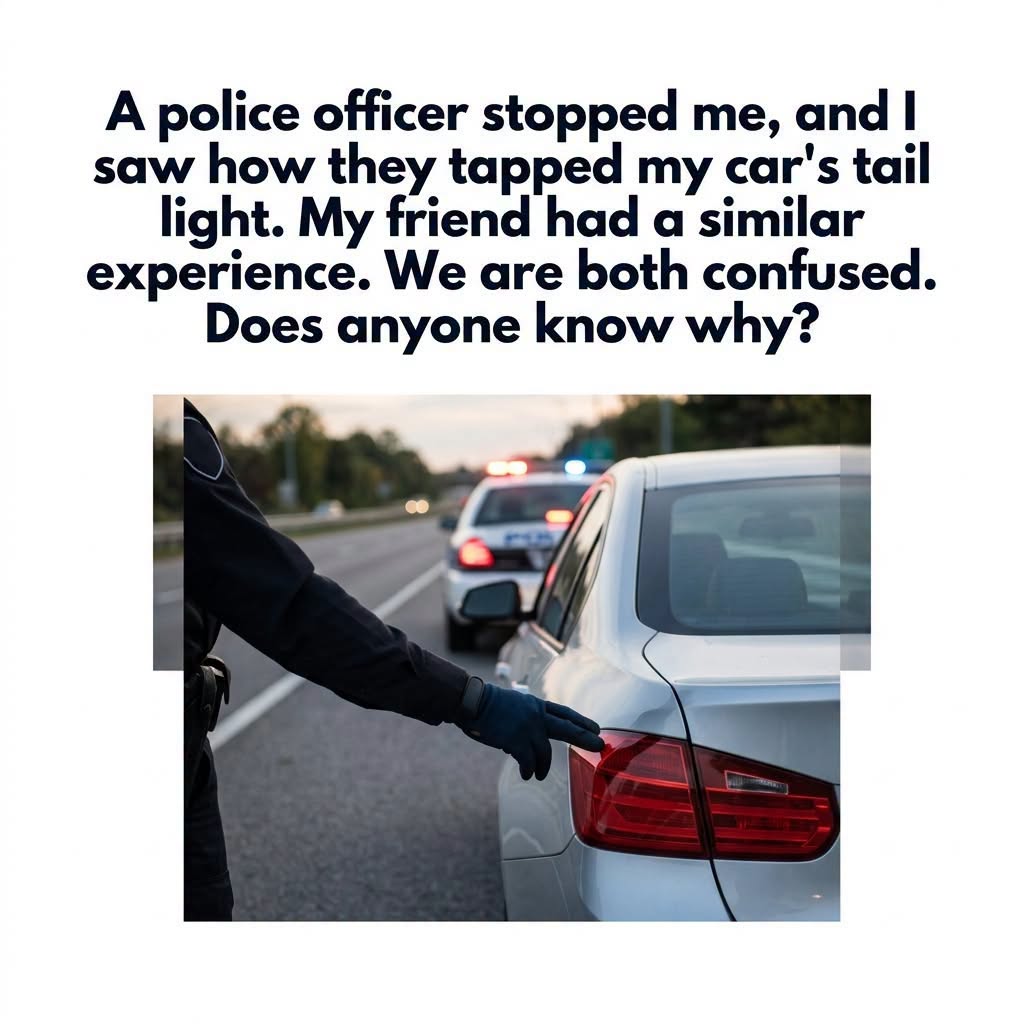
While the fingerprint theory is widely discussed, many officers and training programs emphasize additional safety reasons for this practice.
Multiple Layers of Protection:
|
Reason
|
How It Helps
|
|---|---|
|
Startles occupants
|
A light tap can cause passengers to look up, revealing hidden hands or weapons
|
|
Checks if trunk is latched
|
Ensures no one is hiding in the trunk who could ambush the officer
|
|
Creates a distraction
|
Draws attention away from the officer's approach, allowing safer positioning
|
|
Tests vehicle stability
|
A gentle tap can reveal if the car is unusually heavy (suggesting hidden cargo or people)
|
|
Leaves forensic evidence
|
As discussed: fingerprints, fibers, or DNA that link officer to vehicle
|
|
Signals to other officers
|
The sound or motion can alert backup to the officer's exact position
|
Training note: Police academies often teach "tactical vehicle approach" techniques. Tapping the tail light is one small part of a broader safety protocol that includes positioning, communication, and situational awareness.
The Reality: Is This Practice Universal?
While the tail-light tap is a well-known tactic, it's important to understand that police practices vary.
What the Evidence Shows:
|
Fact
|
Context
|
|---|---|
|
Not all departments teach it
|
Training varies by state, agency, and era
|
|
Technology is changing practices
|
Body cameras, dash cams, and GPS tracking provide other forms of documentation
|
|
Some officers do it instinctively
|
Even if not formally trained, many adopt the habit from mentors or experience
|
|
The core principle remains
|
Officer safety and evidence preservation are universal priorities
|
Modern Alternatives to the Tail-Light Tap:
Body-worn cameras: Record audio/video of the entire interaction
Dash cameras: Capture the vehicle approach and stop from the patrol car
GPS tracking: Logs officer location and vehicle details in real time
Radio check-ins: Officers verbally confirm license plates and location with dispatch
Digital reporting systems: Allow instant documentation of stops and evidence
Dash cameras: Capture the vehicle approach and stop from the patrol car
GPS tracking: Logs officer location and vehicle details in real time
Radio check-ins: Officers verbally confirm license plates and location with dispatch
Digital reporting systems: Allow instant documentation of stops and evidence
Perspective: The tail-light tap is a low-tech solution to a high-stakes problem. While technology offers new tools, simple, reliable tactics still have value—especially when batteries die or signals fail.
The Psychology Behind the Tap: Why Small Actions Matter
Beyond forensics and safety, the tail-light tap serves subtle psychological purposes.
For the Officer:
|
Benefit
|
Explanation
|
|---|---|
|
Ritual reduces anxiety
|
A familiar action can calm nerves in high-stress situations
|
|
Creates a moment of control
|
A small, deliberate act reinforces focus and intention
|
|
Builds muscle memory
|
Repeated actions become automatic, freeing mental bandwidth for observation
|
For the Driver:
|
Effect
|
Why It Matters
|
|---|---|
|
Signals officer presence
|
The tap reminds drivers they're being observed, encouraging compliance
|
|
Creates a pause
|
Gives the driver a moment to collect themselves before the interaction begins
|
|
Reduces surprise
|
A gentle sound is less startling than a sudden knock on the window
|
Human insight: Policing is as much about psychology as it is about procedure. Small, intentional actions can de-escalate tension, build trust, and create space for safer interactions.
Continued on next page//
To see the complete cooking instructions, go to the next page or click the Open (>) button and don't forget to SHARE it with your friends on Facebook.
My nana taught me this hack to make dusty blinds sparkle in 2 mins with 0 work. Here’s how it works

Your Feet Are a “Blood Sugar Meter” – Beware of Diabetes If You Frequently Experience These 12 Symptoms

If you’re between 55 and 75 years old: Don’t tell your children these 7 secrets.
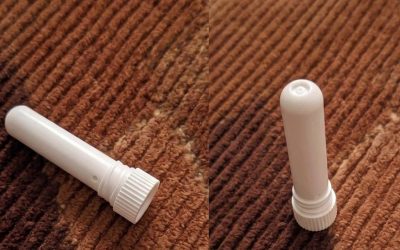
I found this tiny white stick in my son’s room and was too embarrassed to ask him does anyone know what it is?

Here’s how to clean dirty bed pillows to leave them white and smelling sweet.