
Step 1: Identify the Source
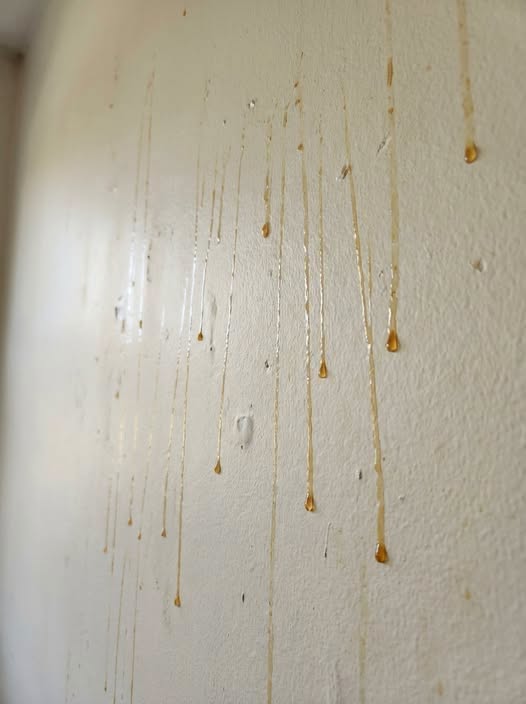
- Touch test: Does it feel slimy (bacteria), gritty (rust/minerals), or sticky (soap scum)?
- Smell test: Does it have a musty odor (mold/water damage) or no smell (rust/bacteria)?
- Location test: Is it near fixtures (likely rust/leak) or all over (likely bacteria/soap scum)?
Step 2: Address the Immediate Issue
For Rust Stains:
- Mix equal parts white vinegar and water
- Spray on the stain, let sit for 15 minutes
- Scrub gently with a non-abrasive sponge
- Rinse thoroughly
For Bacteria (Serratia):
- Mix 1 part bleach to 10 parts water (or use a bathroom cleaner with bleach)
- Spray and let sit for 10 minutes
- Scrub and rinse well
- Important: Improve ventilation to prevent recurrence!
For Soap Scum/Hard Water:
-
- Use a commercial bathroom cleaner or make a paste with baking soda and water
- Scrub gently and rinse
Step 3: Check for Leaks (Crucial!)
If you suspect water damage:
- Inspect around the tub/shower sealant for cracks
- Check under the sink for drips
- Look at the ceiling below the bathroom for water stains
- Monitor your water bill for unexplained increases
- If you find evidence of a leak, call a plumber promptly!
Step 4: Prevent Recurrence
- Improve ventilation: Run the bathroom fan during and for 20-30 minutes after showers
- Wipe down walls: After showering, use a squeegee or towel to wipe moisture from walls
- Fix leaks promptly: Even small drips add up over time
- Clean regularly: Weekly cleaning prevents buildup
- Check your water: If you have well water or old pipes, consider a water test for iron content
When to Call a Professional:
Continued on next page//