

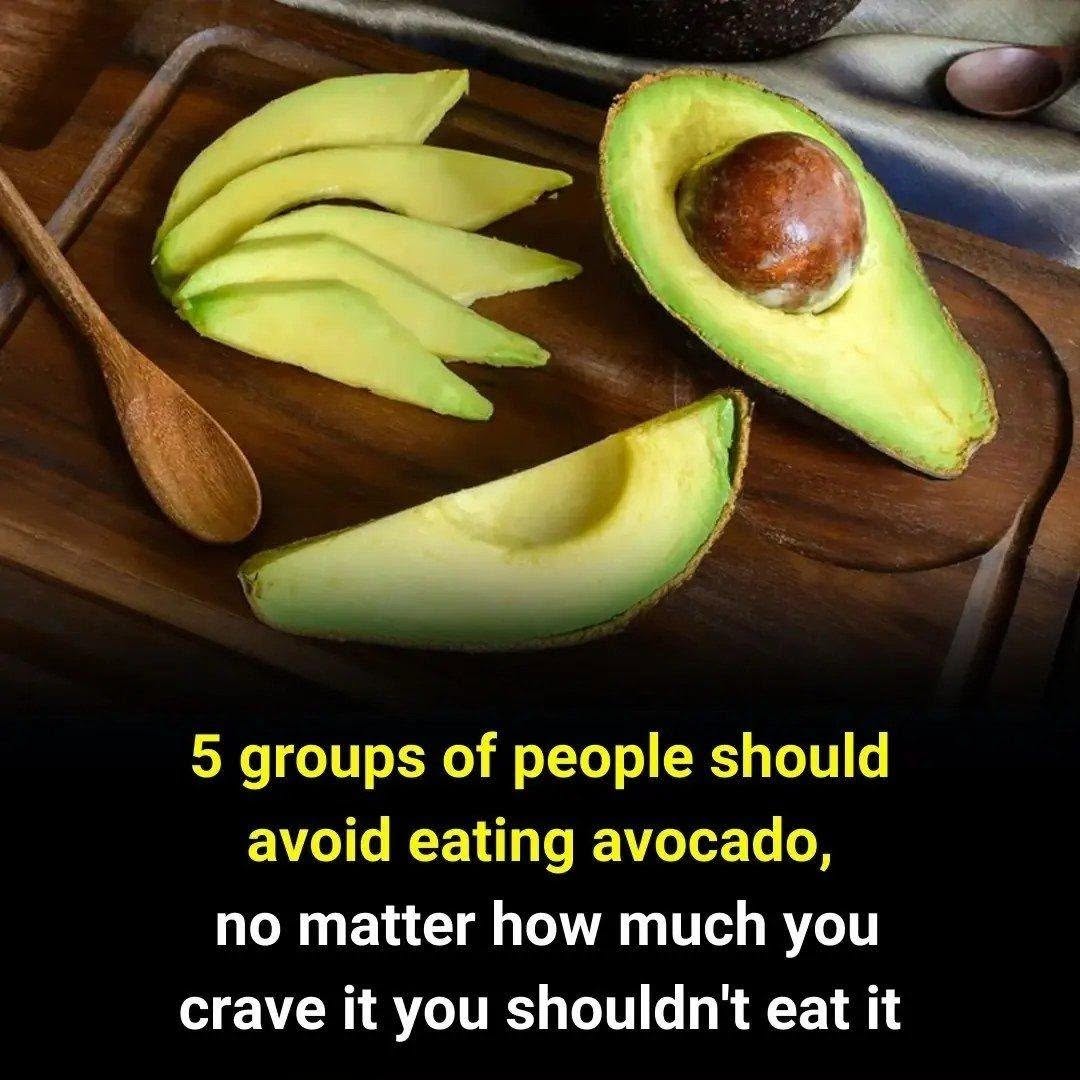
While avocados are rich in monounsaturated fats, excessive consumption can be problematic for people with liver issues, particularly those suffering from fatty liver disease (NAFLD or AFLD).
Here’s why:
- Avocados are high in fat and calorie-dense. One medium avocado can have over 250 calories and 21 grams of fat. For people with impaired liver function, digesting large amounts of fat can be difficult and may further stress the liver.
- Certain components in avocado, such as estragole and anethole, have shown hepatotoxic effects in animal studies when consumed in high doses.
- Some studies suggest that overconsumption may increase hepatic lipid accumulation, exacerbating liver problems.
Who should avoid or limit avocado intake:
- Individuals diagnosed with non-alcoholic fatty liver disease (NAFLD)
- Those with cirrhosis or hepatitis
- People under low-fat dietary restrictions as prescribed by a hepatologist
3. People Taking Blood-Thinning Medications
Avocados are rich in vitamin K, an essential nutrient involved in blood clotting. However, high vitamin K intake can interfere with anticoagulant medications like warfarin (Coumadin), which are designed to thin the blood and prevent clots.
Possible interactions include:
- Reduced effectiveness of blood thinners
- Risk of blood clots or strokes if the medication becomes less effective
- Need for frequent blood monitoring and dosage adjustments
What to watch for:
- A single avocado can provide over 20% of the daily recommended intake of vitamin K. Eating multiple avocados regularly may destabilize INR levels, making it harder to manage anticoagulant therapy.
Who should be cautious:
- Patients on warfarin or other blood thinners
- Individuals recovering from stroke, heart attack, or deep vein thrombosis (DVT)
- People with mechanical heart valves or atrial fibrillation
4. People with Irritable Bowel Syndrome (IBS) or Sensitive Digestive Systems
Avocados are a high-FODMAP food, especially when consumed in large portions. FODMAPs are fermentable carbohydrates that can trigger gas, bloating, and diarrhea in people with irritable bowel syndrome (IBS) or other gastrointestinal conditions.
Here’s the breakdown:
- Avocados contain sorbitol, a sugar alcohol that is poorly absorbed in the small intestine
- Consuming more than 1/8 of a medium avocado can exceed the FODMAP limit for many IBS sufferers
- Even small portions can lead to stomach pain, flatulence, or altered bowel habits in sensitive individuals
Who should avoid or limit avocado:
- People diagnosed with IBS, Crohn’s disease, or ulcerative colitis
- Individuals following a low-FODMAP diet
- Anyone with a history of food-induced bloating or discomfort
5. People Trying to Lose Weight or Manage Caloric Intake
Continued on next page//
To see the complete cooking instructions, go to the next page or click the Open (>) button and don't forget to SHARE it with your friends on Facebook.