

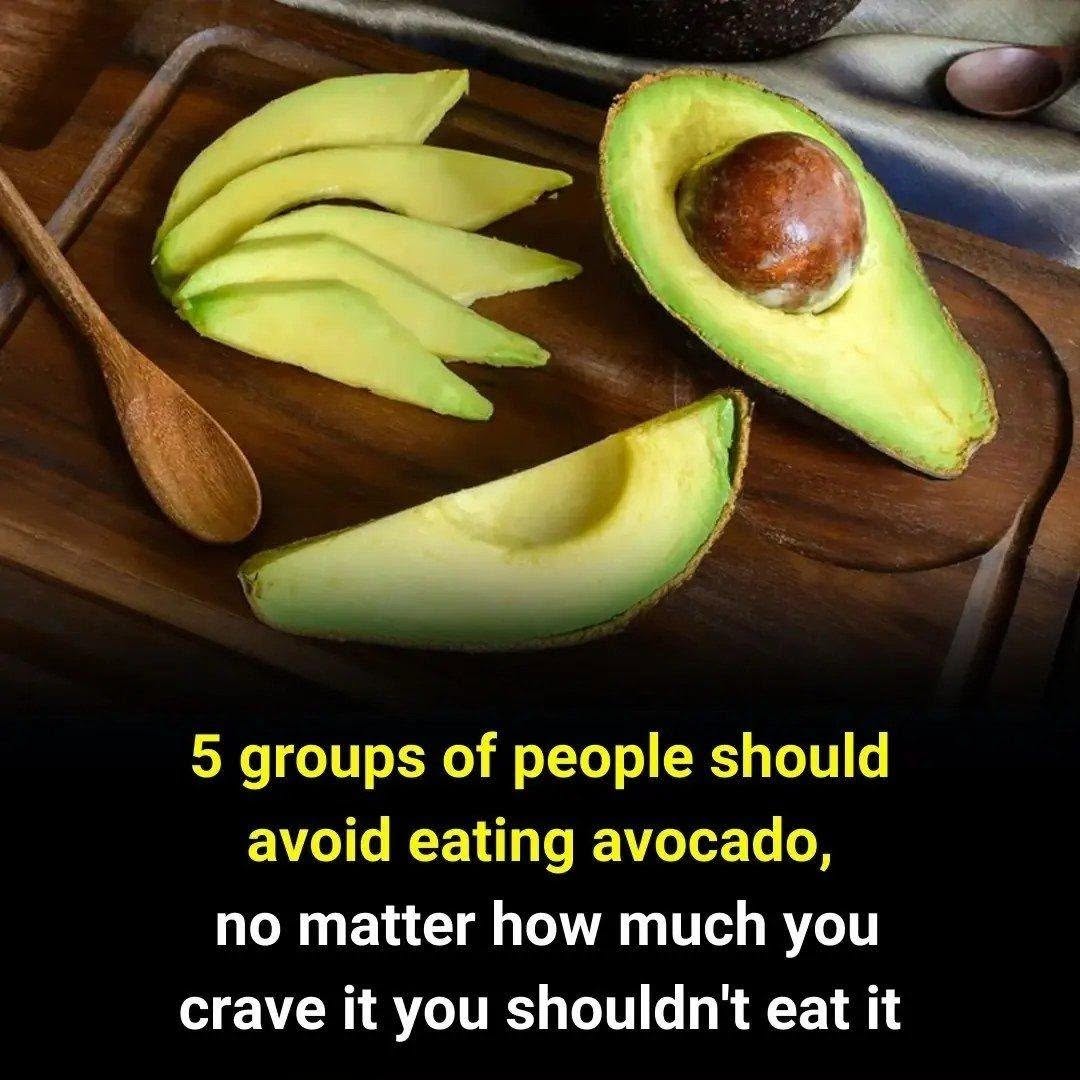
Avocado is often hailed as a nutrient-dense superfood, praised for its high content of healthy fats, vitamins, and antioxidants. Its creamy texture and subtle flavor make it a staple in many health-conscious diets. But despite its many benefits, avocados are not universally safe or beneficial for everyone. In fact, there are specific groups of individuals for whom eating avocado can lead to adverse health effects — ranging from mild discomfort to serious medical complications.
Here are five groups of people who should avoid avocado entirely, or consume it only under strict medical supervision.
1. People with Avocado Allergy or Hypersensitivity
Avocado allergies can be classified into two types: those related to tree pollen (especially birch) and those associated with latex-fruit syndrome. People allergic to birch pollen may react to avocado due to cross-reactivity, a condition where the immune system mistakes proteins in avocado for pollen allergens.
Common symptoms include:
- Skin rashes or eczema
- Itchy mouth and throat
- Swelling of the lips, tongue, or face
- Stomach cramps, nausea, or vomiting
- In severe cases, anaphylaxis — a life-threatening reaction requiring immediate medical attention
Latex-fruit syndrome is another condition where individuals allergic to natural rubber latex also develop reactions to certain fruits, including avocado. This occurs because latex proteins share similar structures with proteins found in avocados, bananas, chestnuts, and kiwis.
Who is at risk:
- Individuals with existing latex allergies
- People with pollen-related food allergies
- Anyone with a history of oral allergy syndrome (OAS)
2. Individuals with Liver Conditions
Continued on next page//
To see the complete cooking instructions, go to the next page or click the Open (>) button and don't forget to SHARE it with your friends on Facebook.

Shoppers Are Surprised by the True Purpose of Shopping Cart Hooks

Why do the tips of herbaceous plants turn brown?

The surprising combination of lemon and petroleum jelly to enhance your skin

Itchy scalp: what are the possible causes? Answers from a dermatologist

What Is That White Stuff in Eggs?