

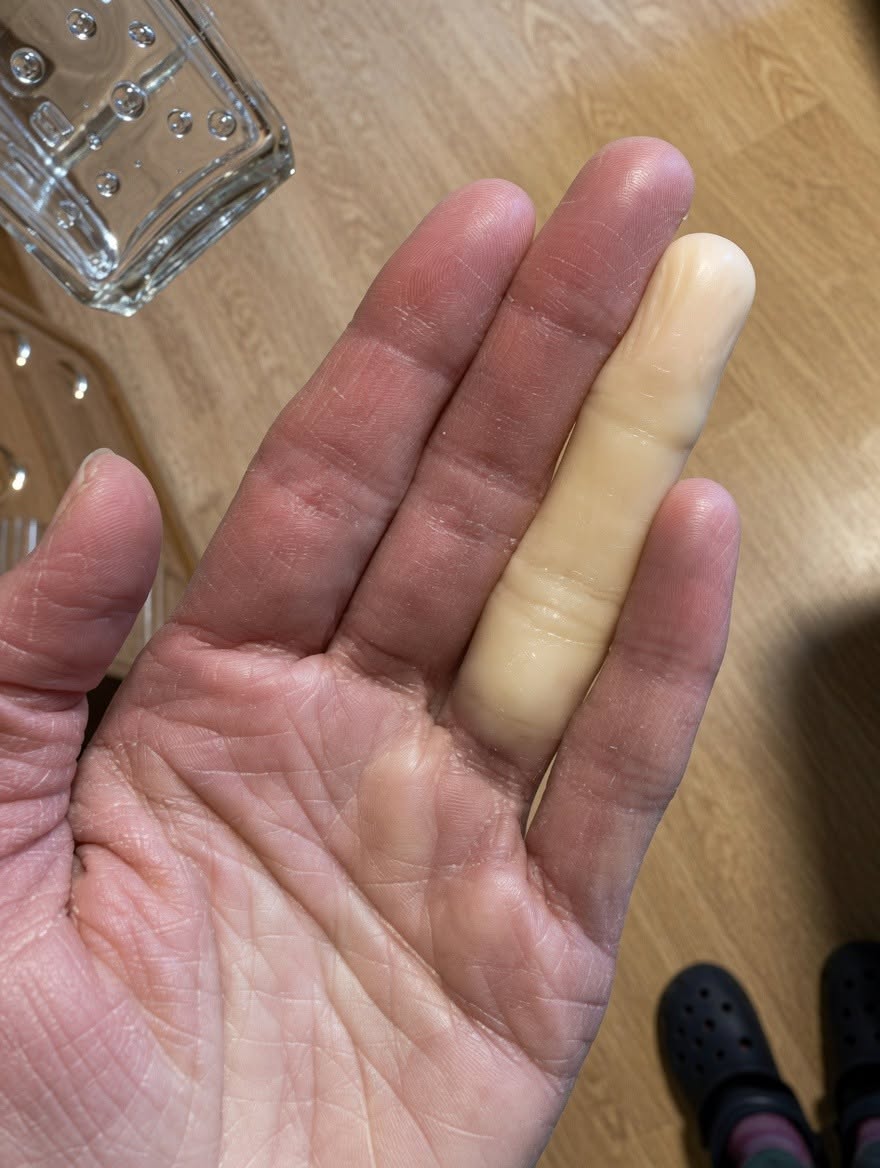
Preventing these uncomfortable morning surprises involves creating an optimal sleeping environment and adopting mindful evening habits that encourage steady, uninterrupted peripheral blood flow.
Optimization of Bedroom Climate Control
Managing your ambient room temperature is the single most effective way to protect sensitive fingers and toes from overnight chills.
-
Set Moderate Temperatures: Instead of cooling your bedroom excessively, aim to keep your air conditioning set to a stable, comfortable range between 24°C and 26°C.
-
Redirect Air Currents: Adjust the louvers or directional flaps on your air conditioning unit so that the cold air circulates evenly along the ceiling or walls rather than blowing directly down onto your bed.
-
Utilize Programmable Timers: If your unit has a sleep mode or an automatic timer, program it to turn off or slightly raise the temperature a few hours after you fall asleep, matching your body’s natural metabolic changes.
Selecting the Right Sleep Attire and Bedding
Insulating your body correctly ensures your core stays warm, which prevents your nervous system from triggering protective vascular constriction in your hands and feet.
-
Layered Bedding: Use breathable, layered blankets that trap body heat effectively without causing overheating.
-
Protecting Your Extremities: If you are highly prone to experiencing cold, pale fingers or toes, consider wearing soft, loose-fitting cotton socks or specialized lightweight sleep mittens to bed during cooler seasons.
-
Avoiding Tight Elastic: Ensure that your pajamas, wristbands, and socks do not feature tight, restrictive elastic bands that could physically constrict blood flow.
Adjusting Sleep Ergonomics
Modifying your sleep posture can drastically minimize the chances of waking up with a compressed, numb limb.
-
Supportive Pillows: Utilize ergonomic pillows or body pillows to support your arms and legs, preventing you from accidentally rolling over and pinning your hands beneath your torso.
-
Mindful Posture: Train yourself to sleep on your back or in a relaxed side position where your arms rest naturally at your sides or gently folded across your chest, rather than tucked awkwardly under your head or mattress.
4. Lifestyle and Wellness Adjustments to Support Vascular Health
Beyond changing your immediate sleep environment, long-term support for your body’s circulatory system involves cultivating healthy daily routines that promote vessel elasticity and overall wellness.
The Role of Consistent Physical Activity
Regular movement is one of the most powerful tools for maintaining a robust circulatory system. Engaging in cardiovascular exercises—such as brisk walking, cycling, swimming, or yoga—strengthens the heart, optimizes systemic blood flow, and trains peripheral blood vessels to expand and contract efficiently. Simple hand and finger stretches before bed can also stimulate local warmth.
Stress Management Techniques
Because peripheral blood vessels are closely linked to the sympathetic nervous system (the system responsible for the “fight or flight” response), emotional stress and anxiety can actively trigger or worsen vasospasms. Incorporating calming practices like deep breathing exercises, mindfulness meditation, or a warm bath before sleep can keep your nervous system relaxed and balanced.
Dietary Considerations for Circulatory Comfort
What you consume throughout the day can influence how your blood vessels react to environmental shifts.
-
Prioritize Hydration: Dehydration can cause blood volume to drop slightly, making circulation to your furthest extremities less efficient. Ensure you drink adequate water throughout the day.
-
Moderate Caffeine Intake: Stimulants like caffeine can cause temporary narrowing of the blood vessels. If you experience frequent cold extremities at night, try limiting your intake of coffee, energy drinks, or strong teas in the late afternoon and evening.
-
Supportive Nutrition: Eating a balanced diet rich in essential nutrients supports general blood vessel integrity and healthy cellular function.
5. What to Do in the Moment: Safe and Gentle Rewarming
Continued on next page//
To see the complete cooking instructions, go to the next page or click the Open (>) button and don't forget to SHARE it with your friends on Facebook.