
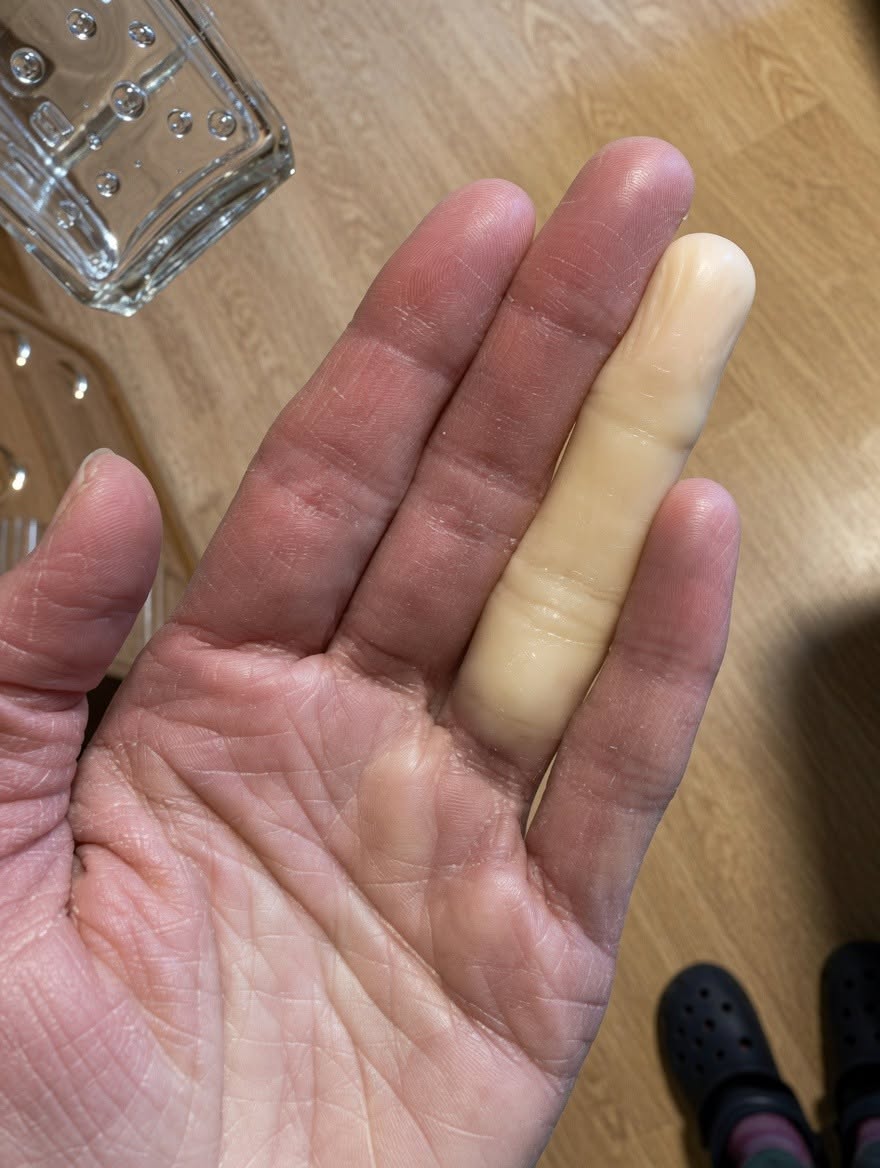
If you wake up and discover that a finger or toe has turned white and feels numb, there is no need to panic. The primary goal is to encourage blood flow to return to the area gently and gradually without causing tissue irritation.
Best Practices for Rapid Relief
-
Move to a Warmer Space: If your bedroom feels excessively chilly, move to a warmer room or wrap yourself comfortably in a thick blanket.
-
Gentle Movement: Wiggle your fingers and toes continuously. You can also make wide, gentle circles with your arms; this utilizes centrifugal force to help encourage blood to flow downward into your fingertips.
-
Utilize Core Body Heat: Place your cold hand directly into a naturally warm area of your body, such as tucked under your armpit or held between your thighs, for a few minutes.
-
Use Lukewarm Water: If accessible, run lukewarm water over the affected hand. Ensure the water is comfortably mild and not hot, as sensitive skin can easily be irritated or damaged when blood flow is compromised.
-
Light Massage: Gently stroke or massage your hand moving from the palm toward the fingertips to encourage natural circulation.
Actions to Avoid
-
Avoid Intense Heat: Never place your hands directly against a hot radiator, heating pad, or under scalding water. Because the area is temporarily numb, you cannot accurately judge the temperature, which increases the risk of accidental skin damage.
-
Avoid Vigorous Rubbing: Do not aggressively scrub or rub the affected skin, as this can irritate the delicate micro-vessels.
6. Recognizing When to Seek Professional Guidance
For the vast majority of people, waking up occasionally with a pale or numb finger due to cold air or sleep posture is a harmless inconvenience that resolves completely within 15 to 20 minutes of rewarming. However, it is always a wise and proactive wellness step to monitor your symptoms and know when an expert opinion is beneficial.
When to Consult a Primary Care Professional
Consider scheduling a standard check-in with a healthcare provider if you notice any of the following patterns:
-
The episodes become increasingly frequent, severe, or significantly disrupt your ability to rest comfortably.
-
The color changes, numbness, or tingling consistently affect only one specific side of your body or a single isolated limb.
-
You experience the onset of these symptoms for the very first time later in adult life (such as after the age of 30 or 40).
-
The white or bluish discoloration persists for an extended duration, taking much longer than 30 minutes to improve after thorough rewarming.
-
You notice secondary signs such as persistent joint discomfort, unusual skin rashes, localized skin cracking, or slow-healing sores on your fingertips.
A healthcare professional can perform a simple assessment, review your daily routines, and ensure that your symptoms are merely a common reflection of primary vascular sensitivity rather than an indicator of an underlying issue requiring targeted care.
7. Conclusion
Discovering a pale, white finger after a long night of sleep is a striking visual reminder of how dynamically our bodies respond to the surrounding environment. Whether triggered by the steady chill of an overnight air conditioner or the physical compression of an awkward sleeping posture, these temporary microvascular contractions are a common aspect of human physiology.
By taking mindful control of your sleeping environment—adjusting your AC to moderate temperatures, protecting your extremities with proper bedding, practicing good sleep ergonomics, and supporting your overall circulation through active daily habits—you can easily minimize these occurrences. Prioritizing overnight comfort ensures you wake up feeling refreshed, warm, and ready to take on the day with optimal well-being.
To see the complete cooking instructions, go to the next page or click the Open (>) button and don't forget to SHARE it with your friends on Facebook.