
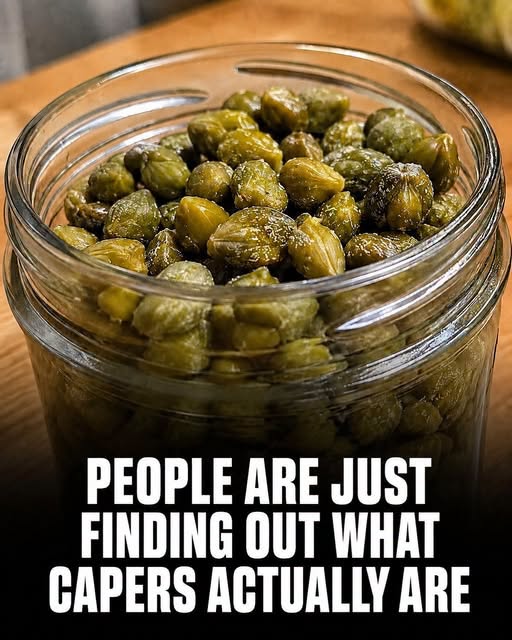
To keep your capers fresh and flavorful, proper storage is key:
-
- Keep them in the brine: Always store capers submerged in their original liquid. The brine is what preserves them and maintains their texture.
- Refrigerate: Keep the jar tightly sealed in the refrigerator.
- Shelf Life: Unopened, they can last for up to a year in the fridge. Once opened, they will stay fresh and delicious for several months, as long as they remain covered by their brine.
- Do Not Freeze: Freezing capers will cause the water inside the buds to expand, ruining their delicate, firm texture and turning them mushy.
The Hidden Health Benefits of Capers
Beyond their incredible taste, these little buds pack a surprising nutritional punch:
- Rich in Antioxidants: Capers contain high levels of quercetin and rutin, powerful antioxidants that help combat oxidative stress in the body.
- Anti-Inflammatory Properties: The compounds in capers may help reduce inflammation.
- Heart & Digestive Health: Traditionally, capers have been used to support healthy digestion and cardiovascular function.
- Weight Management Friendly: They are incredibly low in calories, making them a fantastic way to add massive flavor to a dish without adding fat or sugar.
A Compassionate Closing Thought
If you are reading this and feeling inspired to finally buy that little jar of capers sitting on the grocery store shelf, please take a slow, deep breath and smile at the simple joys of culinary discovery.
Cooking is a journey of small discoveries. That moment when you finally identify a mysterious, delicious flavor is a tiny, beautiful victory. It connects you to the rich history of food and the cultures that created it.
You don’t need fancy ingredients to make magic. A simple, humble flower bud, preserved in salt water, has the power to elevate a basic Tuesday night chicken dinner into something that feels like a restaurant-quality meal. That is the true resourcefulness of cooking.
Give yourself permission to experiment. If you accidentally add too many capers, or if a dish doesn't turn out perfectly, let it go. Cooking is about play, intuition, and learning what brings you and your loved ones joy.
Flavor is a form of care. Taking the extra two minutes to rinse, chop, and sprinkle a thoughtful garnish over a meal is a quiet way of saying, "I care about the details, and I want this to be good for you."
You don’t need fancy ingredients to make magic. A simple, humble flower bud, preserved in salt water, has the power to elevate a basic Tuesday night chicken dinner into something that feels like a restaurant-quality meal. That is the true resourcefulness of cooking.
Give yourself permission to experiment. If you accidentally add too many capers, or if a dish doesn't turn out perfectly, let it go. Cooking is about play, intuition, and learning what brings you and your loved ones joy.
Flavor is a form of care. Taking the extra two minutes to rinse, chop, and sprinkle a thoughtful garnish over a meal is a quiet way of saying, "I care about the details, and I want this to be good for you."
That little jar of capers isn't just a condiment.
It is a tiny flavor bomb waiting to be unleashed.
It is a bridge to the sun-drenched coasts of the Mediterranean.
And it is a gentle reminder that the smallest ingredients often make the biggest impact.
It is a bridge to the sun-drenched coasts of the Mediterranean.
And it is a gentle reminder that the smallest ingredients often make the biggest impact.
So, the next time you are making a pan sauce or tossing a salad...
Reach for the capers.
Rinse them well.
And enjoy the bright, briny pop of a classic ingredient used with love.
Rinse them well.
And enjoy the bright, briny pop of a classic ingredient used with love.
What is your favorite way to use capers in the kitchen? Do you have a cherished family recipe or a simple culinary trick that always brings you joy? Share your practical wisdom and cozy kitchen memories respectfully in the comments below.