

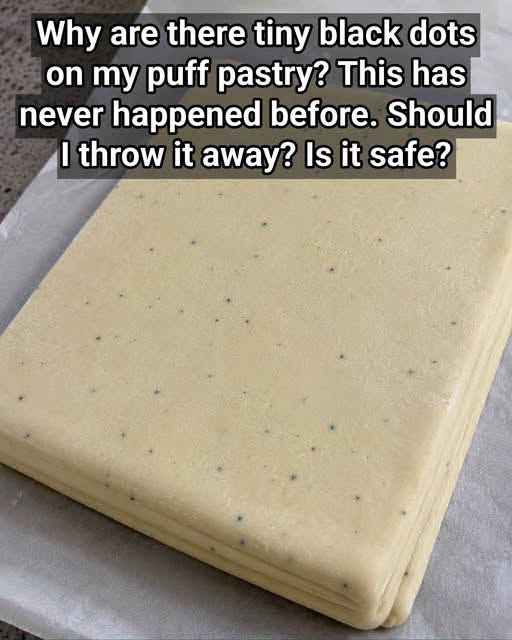
Subtitle: Oh, I know exactly the concern you're talking about! Just last week, I was preparing my famous Cheesy Mashed Potato Puffs, and I noticed a few tiny dark spots on my pastry sheet.
Let me tell you about the first time I noticed black dots on puff pastry.
I was in my late forties, and I was preparing a recipe that called for puff pastry. I noticed some small black dots on the pastry. I wasn't sure if it was still safe to use.
I did some research, and I learned what those dots are.
A natural occurrence. It's a natural occurrence in the baking process.
A harmless defect. It's a harmless defect.
A sign of quality. It's not a sign of poor quality.
A result of the baking process. The flour can burn slightly.
Why Do They Appear?
The baking process. The pastry is baked at a high temperature.
The flour. The flour can burn slightly.
The moisture. The moisture in the pastry can cause the flour to clump.
The butter. The butter can cause the flour to brown.
A natural reaction. It's a natural chemical reaction.
When to Worry
If the dots are mold. Mold is a sign of spoilage.
If the dots are fuzzy. Mold is fuzzy.
If the dots are green or black. Mold can be green or black.
If the pastry smells bad. A bad smell is a sign of spoilage.
If the pastry is slimy. A slimy texture is a sign of spoilage.
If the pastry is past its expiration date. Check the expiration date.
If you're not sure, throw it out. It's better to be safe than sorry.
How to Tell the Difference
Burned flour: Small, dark dots. They are flat and dry.
Mold: Fuzzy, raised spots. They can be green, black, or white.
Burned flour: The pastry will have a slightly dark speckled appearance.
Mold: The mold will be clearly visible.
Burned flour: It's harmless.
Mold: It's a sign of spoilage.
How to Prevent Burned Flour
Continued on next page//
To see the complete cooking instructions, go to the next page or click the Open (>) button and don't forget to SHARE it with your friends on Facebook.

Creamy Scrambled Eggs (Soft, Custardy & Ready in 10
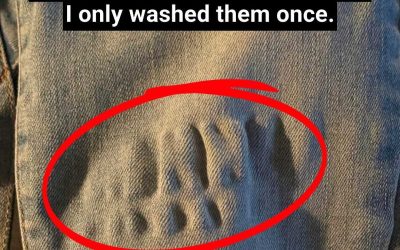
The Mystery of the Rippled Denim: Why Jeans Get Weird Ripples After Washing (And How to Gently Fix Them)

Is it right to use the belongings of a deceased person or sleep in their bed? The answer many don’t expect.
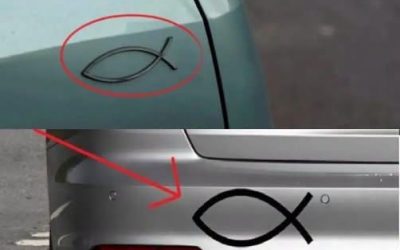
What the Small Fish Symbol on Some Cars Really Means
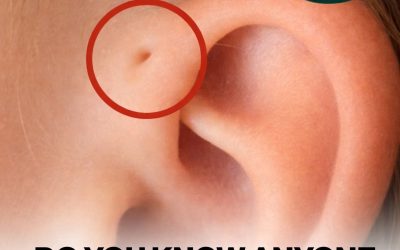
Do You Have This Tiny Hole Above Your Ear? The Fascinating Science Behind a Rare Body Quirk