
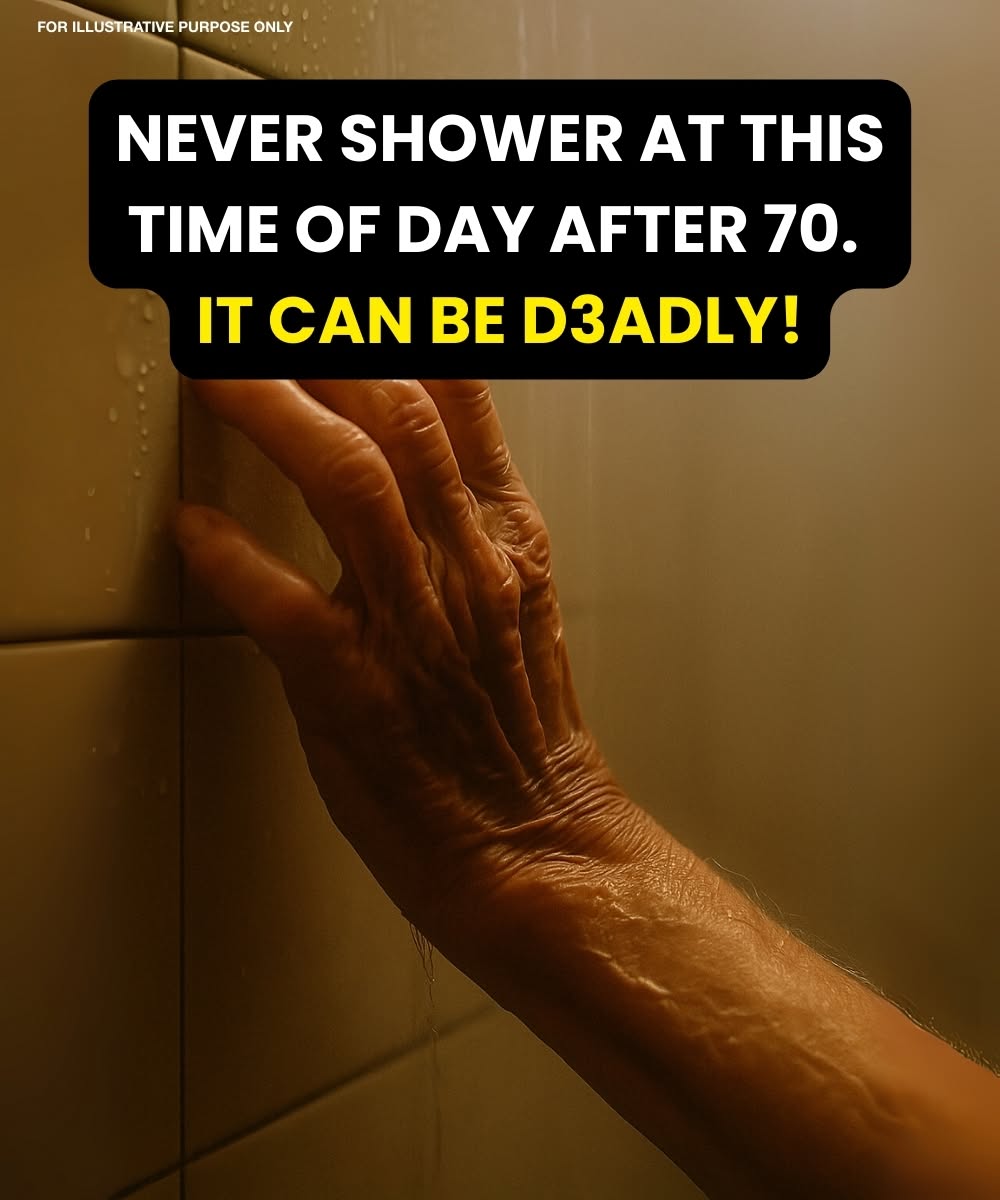
For many of us, stepping into the shower is a refreshing, almost automatic start or end to the day. It’s a simple, everyday ritual we rarely give a second thought to. But what if this seemingly innocuous act could become a hidden danger, especially as we navigate the beautiful journey of aging?
The Great Early Morning Shower Debate: Why It’s Risky
Imagine suddenly plunging your still-waking body into a rush of hot (or even cold!) water at this delicate time. This can trigger what’s known as a thermal shock. Your heart might race unexpectedly, your breathing can change abruptly, and this sudden jolt can lead to dizziness, a perilous loss of balance, or even faintness. These aren’t just minor inconveniences; they can lead to serious falls.
That’s why experts strongly recommend giving this early morning slot a miss, especially if you live alone or have a history of dizziness or lightheadedness. Your body deserves a gentler wake-up call.

The Body’s Morning Awakening: A Delicate Dance
Why does our body react this way? Think of it like this: during the night, your body diligently works to rest, repair, and recharge. It slows down its functions. Upon waking, it needs a grace period—a gentle transition—to regain its full activity. Abruptly transitioning from this state of deep rest to the stimulating environment of a hot shower can disrupt this delicate internal balance.
Continued on next page//