
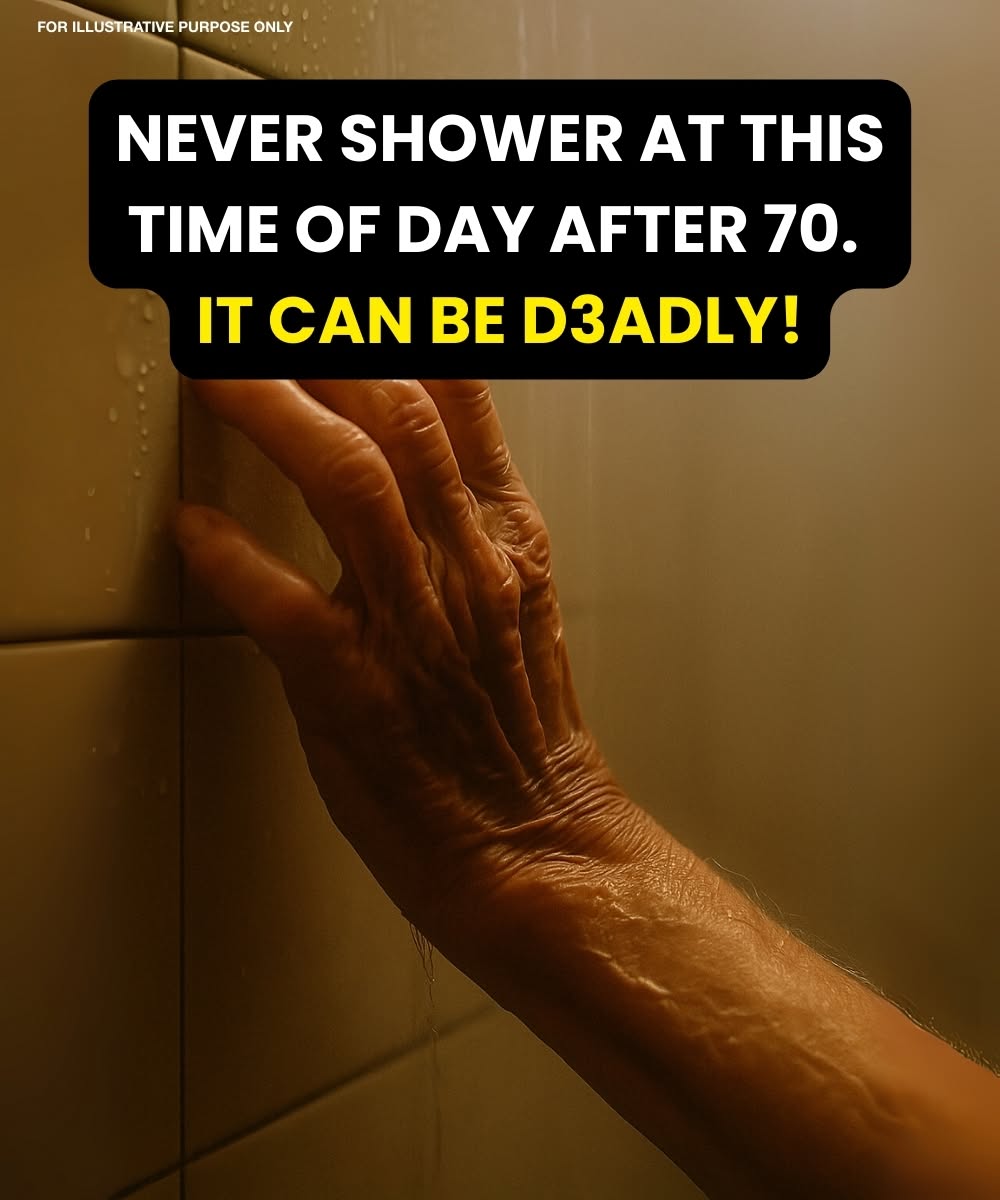
For seniors, this natural reaction can be even more pronounced and potentially amplified by a few factors:
Naturally Lower Blood Pressure: Many older adults experience naturally lower blood pressure, making them more susceptible to sudden drops.
A Slower-Reacting Heart: The heart might take a little longer to adjust to sudden changes in activity or temperature.
Morning Medications: Certain medications taken upon waking can also influence blood pressure and balance.
The Golden Hour for a Safe Shower: 9 to 11 AM
So, if the early morning is out, when is the best time to enjoy that refreshing shower? Geriatricians largely agree: the safest and most recommended time to shower after age 70 is generally between 9 a.m. and 11 a.m., ideally after you’ve had breakfast.
By this time of day:
Your Body Has Warmed Up: Your core temperature has risen, and your circulation is more active.
Medications Are Taking Effect: Any morning medications you’ve taken will have had time to start working.
Energy and Alertness: You’ll naturally have more energy and be more alert, which is crucial for maintaining stability and reacting quickly if needed.
If possible, always wait until you’ve moved around a bit – a few steps around the house, enjoying a cup of coffee or herbal tea – before heading to the bathroom. Give your body the gentle start it deserves.
Good Habits for a Safe and Soothing Shower
Beyond timing, a few simple, proactive precautions can dramatically reduce the risks and transform your bathroom into a sanctuary of safety:
Non-Slip Solutions: Install a high-quality non-slip mat *inside* the shower or tub, and another one directly outside to catch drips and prevent slips.
Support Where You Need It: Add sturdy grab bars inside the shower or next to the toilet. A bath chair or bench can also be incredibly helpful, allowing you to shower comfortably and securely while seated.
Continued on next page//