

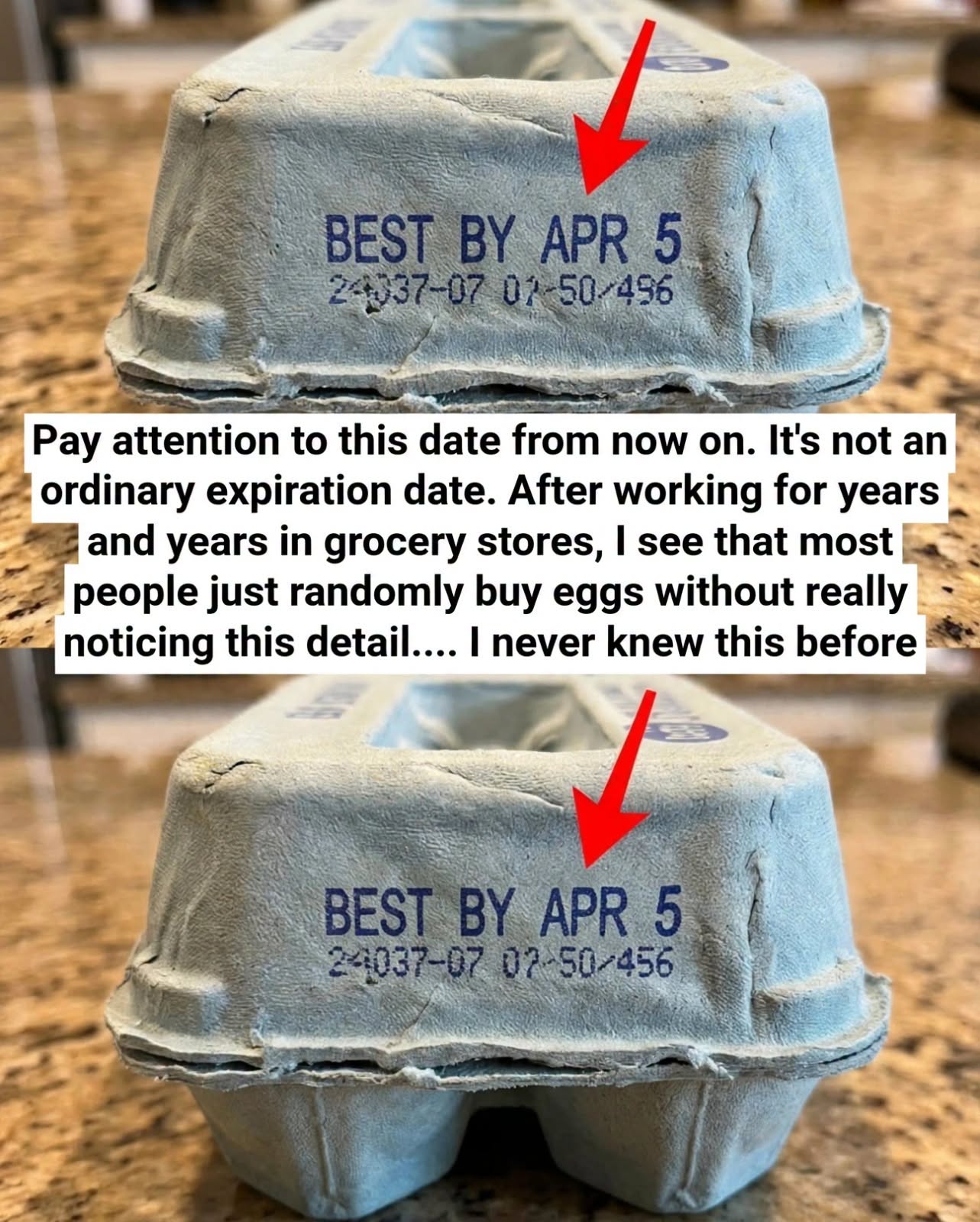
Knowing the pack date can help you put a carton’s other dates into perspective.
A carton may have a sell-by, use-by, best-before, or similar date printed on it. These labels generally relate to quality or inventory management rather than acting as a universal food-safety cutoff. USDA guidance explains that food dating is primarily intended to communicate quality, while proper storage and handling remain critical to safety.
What Does the “Sell-By” Date Mean?
A sell-by date is primarily intended to help retailers manage inventory. It tells the store how long the product should remain available for sale under the applicable labeling rules.
It does not automatically mean the eggs become unsafe at midnight on that date.
USDA guidance notes that properly refrigerated eggs can remain usable beyond the sell-by date, although quality can gradually decline. USDA recommends purchasing eggs before the sell-by or expiration date and then refrigerating them promptly.
That distinction is important because throwing away perfectly good eggs solely because a printed date has passed can contribute unnecessarily to food waste.
What About “Use By” or “Best Before”?
The wording on egg cartons can vary depending on the product and applicable state requirements.
In general, terms such as “Best By,” “Best Before,” or “Best if Used By” are associated with quality. They indicate when the product is expected to be at its best rather than establishing a universal safety deadline.
A date labeled “Use By” should still be taken seriously as a quality guideline, but it shouldn’t be viewed in isolation. Refrigeration, handling, shell condition, and signs of spoilage all matter.
What Does the “P” Number Mean?
Continued on next page//