

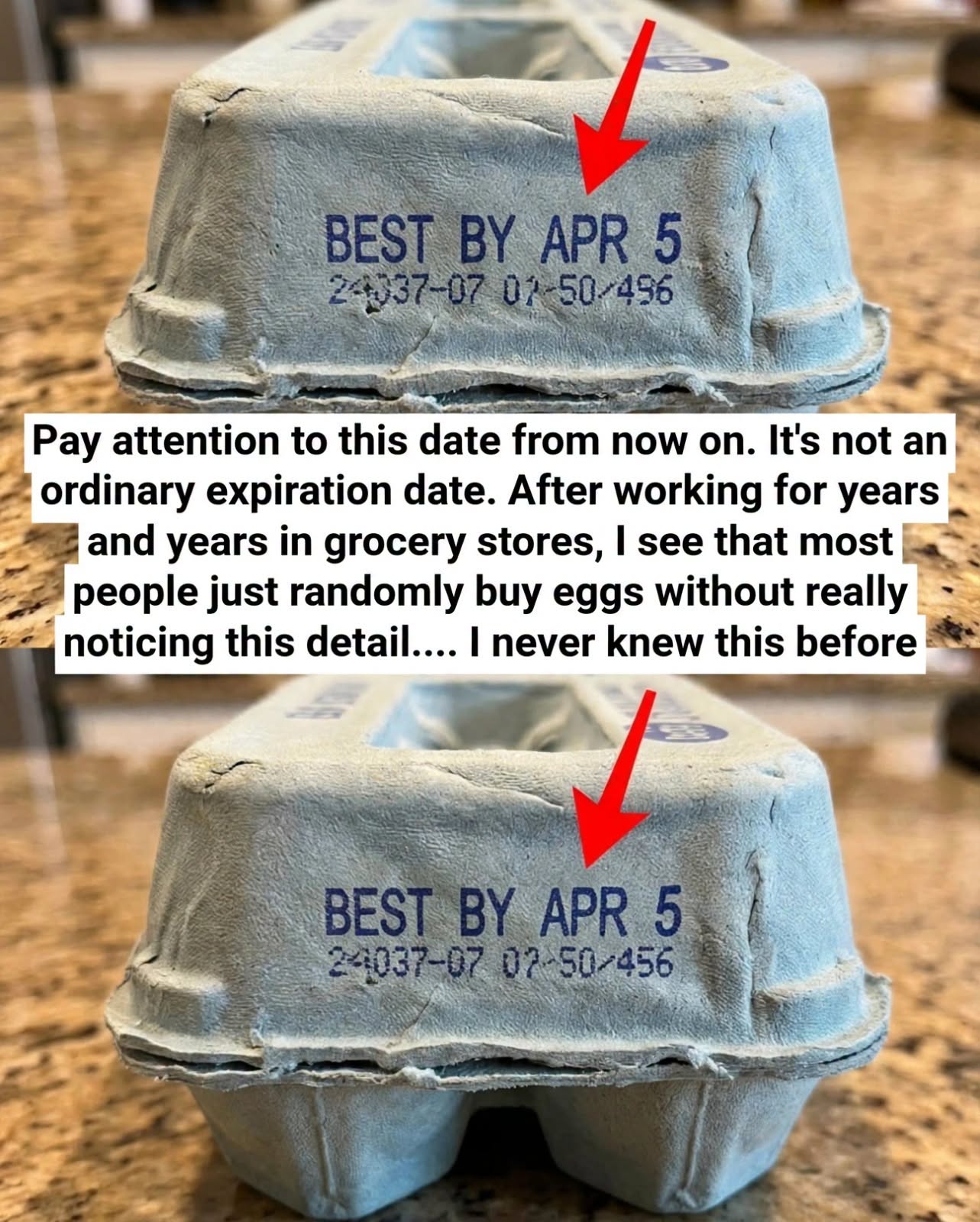
Another code you may notice is something such as P-1234.
The P generally identifies the egg-processing facility or plant. For USDA-graded eggs, the plant number appears on the consumer package and can help identify where the eggs were processed or packed.
This type of identification is especially useful when authorities or producers need to trace products during a food-safety investigation or recall.
So, if you see a plant code next to a three-digit number, don’t assume that every number is an expiration date. Different markings serve different purposes.
Egg Carton Codes Can Be Helpful During Recalls
Those seemingly mysterious numbers aren’t just there for shoppers trying to determine freshness.
Packaging codes provide important traceability information. If a particular production lot is identified as part of a food-safety recall, codes on cartons can help consumers determine whether their eggs are included.
That’s one reason it’s wise not to discard the carton immediately after bringing eggs home. Keeping eggs in their original carton preserves the identifying information and also makes it easier to follow storage guidance.
Freshness and Safety Are Not Exactly the Same Thing
This is perhaps the most important point to remember.
An egg can gradually lose quality as it ages. Its texture and performance in cooking may change, even when it has been properly refrigerated. But food safety depends on more than age alone.
Fresh eggs can contain Salmonella, even when their shells look clean and uncracked. The FDA therefore recommends careful refrigeration, proper handling, and thorough cooking.
In other words:
A carton date is a useful piece of information, but it isn’t a substitute for safe food handling.
How to Store Eggs Properly
Continued on next page//