

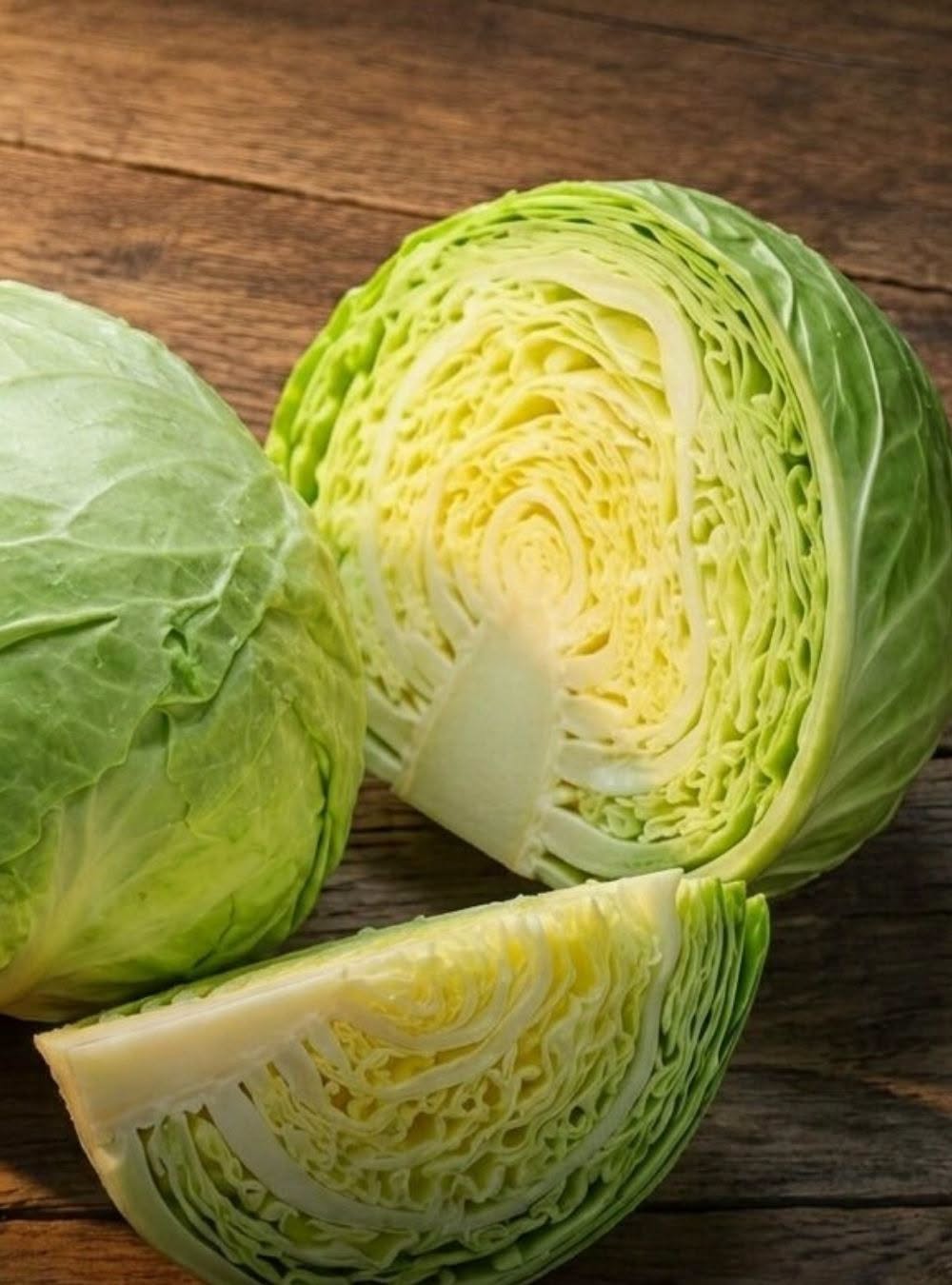
Cabbage has been part of family kitchens for generations, finding its place in warm soups, fresh salads, traditional meals, and simple homemade recipes. Inexpensive, easy to use, and more nutritious than many people realize, this everyday vegetable continues to be appreciated by those who want healthier and more balanced meals. Still, even though cabbage is often praised for its benefits, there are a few things worth knowing before eating it too often, especially for people with certain sensitivities or health concerns.
One of the main reasons cabbage remains so popular is its rich nutritional value. It provides important nutrients such as vitamin C, vitamin K, fiber, and antioxidants, all of which can support general well-being. Since it is naturally low in calories but still filling, cabbage is often included in meals for people who want to eat lighter while still feeling satisfied. Its simple taste and flexible texture also make it easy to prepare in many ways, whether it is steamed, sautéed, roasted, boiled, or served raw in salads.
Cabbage may also support digestion and immunity when it is included as part of a varied and balanced diet. Its fiber content can help maintain digestive regularity, while its antioxidants may help the body deal with everyday cellular stress. For many families, cabbage is also a practical choice because it adds volume, nutrients, and flavor to meals without making grocery bills much higher. This mix of affordability, versatility, and nutrition explains why cabbage is used in so many cuisines around the world.
Continued on next page//
To see the complete cooking instructions, go to the next page or click the Open (>) button and don't forget to SHARE it with your friends on Facebook.

Between the ages of 65 and 85: if you can still do these 5 things on your own, you’re stronger than you think

You cut open a watermelon and saw cracks? Stop eating it immediately! Here’s what it means!

7 Clear Signs That D.eath Is Near and How to Cope With Them

Why Drivers Display This Upside-Down Sticker on Their Cars

Hip pain: what does it mean?