
I Found Mysterious White Objects on My Bedroom Floor — The Truth Left Me Amazed

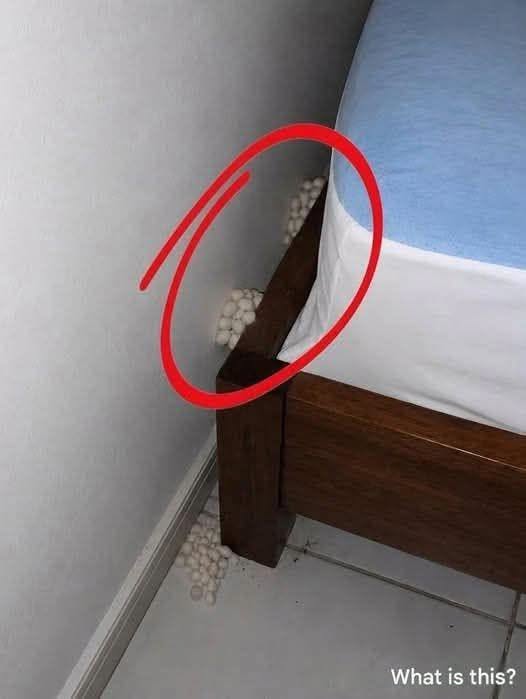
What Exactly Are Sclerotia?
|
Feature
|
What It Means
|
|---|---|
|
Survival Pods
|
Sclerotia are compact, dense masses of fungal mycelium (the root-like structure of mushrooms).
|
|
Nature's "Hard Drive"
|
They act as a survival mechanism. When the soil gets too dry, too cold, or lacks nutrients, the fungus stores its energy in these hard little pearls to wait for better conditions.
|
|
Harmless to Humans
|
Unlike toxic molds (like black mold) or dangerous pathogens, these specific soil fungi are completely harmless to humans and pets.
|
|
Sign of Life
|
Their presence actually indicates that your potting soil is rich in organic matter and teeming with a living, breathing microbiome.
|
Key insight: When we buy potting soil, we often think of it as "dirt"—just dead matter to hold a plant's roots. But healthy soil is a bustling, living ecosystem. Those little white pearls were proof that a microscopic, ancient world was thriving right there in my bedroom.
Why Did They Appear on My Carpet?
If they are supposed to be in the soil, why were they on my floor?
The answer came down to a simple gardening mistake: I had been overwatering my Ficus.
Because the soil was constantly damp, the fungi were thriving and multiplying rapidly. As the mycelial network grew, it pushed these tiny survival pearls up through the soil and out of the pot's drainage holes. When I watered the plant, the excess water simply washed the tiny pearls out onto the carpet, where they dried into the smooth, hard "seeds" I had found.
The Overwatering Cycle:
Too much water → Soil stays constantly soggy.
Soggy soil → Fungi and bacteria multiply rapidly.
Rapid fungal growth → Produces excess sclerotia (mycelial pearls).
Watering the plant → Flushes the pearls out of the drainage holes onto the floor.
Soggy soil → Fungi and bacteria multiply rapidly.
Rapid fungal growth → Produces excess sclerotia (mycelial pearls).
Watering the plant → Flushes the pearls out of the drainage holes onto the floor.
What to Do If You Find Them in Your Home
If you've ever seen tiny white balls in your houseplant soil or on your floors, you now know they are likely harmless mycelial pearls. But that doesn't mean you should just leave them be. Their presence is a gentle warning from your plant.
How to Handle Mycelial Pearls:
|
Step
|
Action
|
Why It Helps
|
|---|---|---|
|
1. Remove the pearls
|
Scoop them out of the soil or vacuum them off the carpet/floor.
|
Clears the immediate visual nuisance and prevents them from spreading.
|
|
2. Let the soil dry
|
Stop watering immediately. Stick your finger two inches into the soil; only water when it feels completely dry.
|
Deprives the fungus of the moisture it needs to thrive.
|
|
3. Improve airflow
|
Move the plant to a breezier spot, or use a small fan to circulate air around the soil surface.
|
Evaporates excess surface moisture and discourages fungal growth.
|
|
4. Repot if necessary
|
If the soil smells sour or the plant's leaves are yellowing, repot it in fresh, well-draining potting mix.
|
Gives the plant's roots a fresh start and removes the fungal network entirely.
|
|
5. Add perlite
|
Mix a handful of perlite or pumice into the soil.
|
Improves drainage and creates air pockets, making the environment less hospitable to excess fungi.
|
A quick note on plant health: While the fungus itself won't hurt you or your pet, the conditions that caused it (chronic overwatering) can cause root rot, which will kill your plant. Treat the pearls as a helpful "check engine" light for your watering habits!
Frequently Asked Questions
Continued on next page//
To see the complete cooking instructions, go to the next page or click the Open (>) button and don't forget to SHARE it with your friends on Facebook.
Don't Toss Those Eggshells: 17 Ways to Reuse Them (Your Plants, Drains, and Skin Will Thank You)

Why drink hot lemon water? Discover these 6 reasons!

Classic Homemade Dried Beef Recipe Inspired by Traditional Methods (Step-by-Step Guide)
What Is That Weird Toothed Part on Kitchen Scissors For? (And 4 Brilliant Hacks You’ve Been Missing)

Beets and Your Body: What Doctors Say Really Happens When You Make This Root Vegetable a Regular Part of Your Diet

No One Had Ever Explained That to Me!" The Surprising Reason Some Outlets Are Installed Upside Down (And Why It’s Actually Brilliant)
