
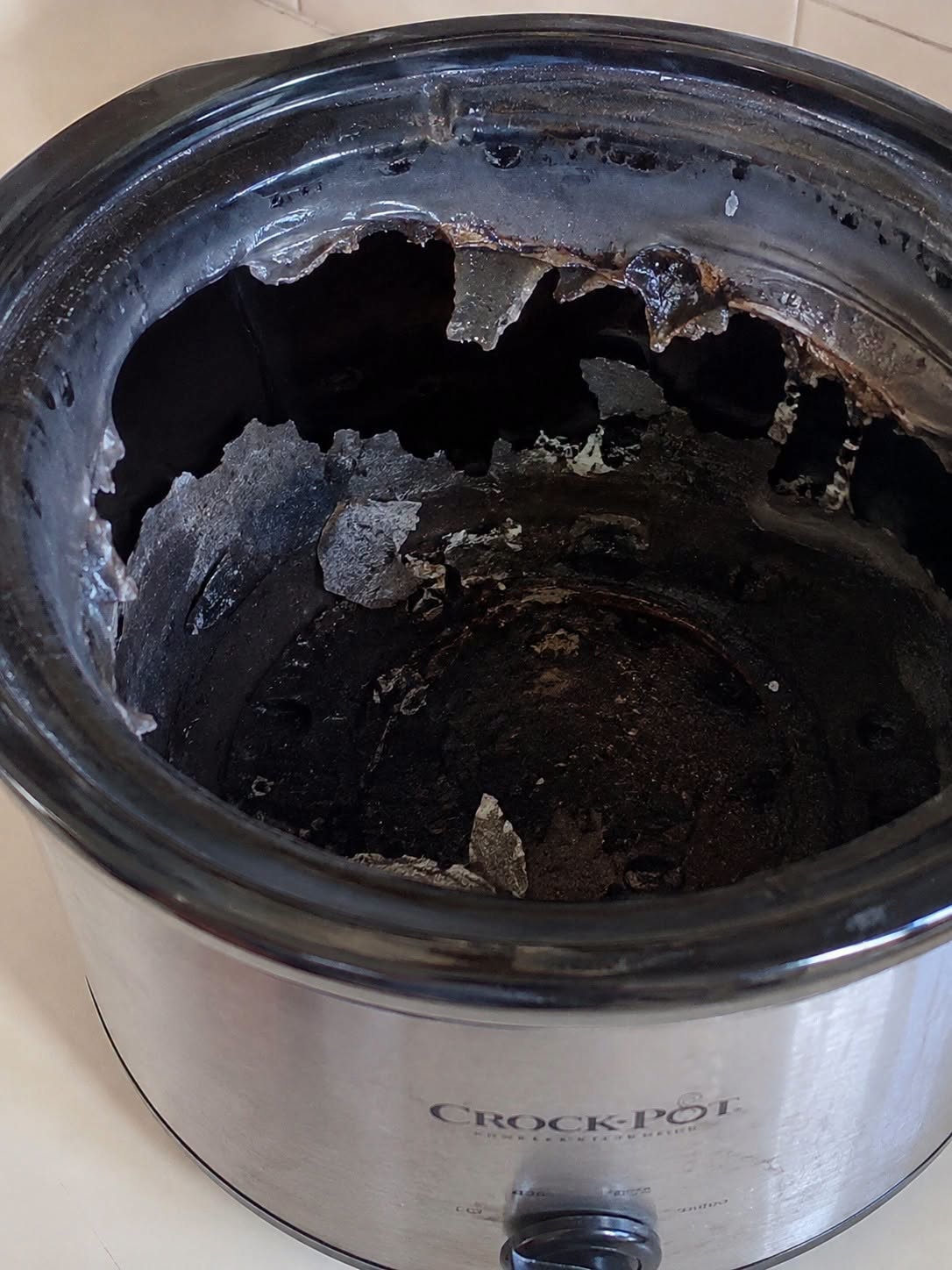
Oh, my dear friend, I see headlines like this all the time, and I have to smile, because I have certainly made my fair share of slow cooker blunders over the years! There is nothing quite as disappointing as lifting the lid after a long day, expecting a magical, melt-in-your-mouth feast, only to find rubbery chicken, mushy pasta, or a separated, curdled sauce.
At 73, living alone in my cozy farmhouse, I have learned that the slow cooker is one of the greatest gifts to the busy home cook. But between keeping a watchful eye on my circulation, monitoring those sudden, unexplained purple blotches on my arms, and doing everything I can to keep my meals nourishing and stress-free, I know one thing for certain: a little kitchen science goes a long way in preventing dinner-time disappointment.
So, I put the kettle on, brewed a soothing cup of my favorite chamomile tea, and gathered the practical, science-backed facts on what not to toss into the crock.
Grab your favorite cozy apron, and let’s separate the myths from the facts so you can enjoy your slow-cooked meals with absolute peace of mind!
The "Kitchen Science" Reality: 11 Foods to Keep Out of the Crock
First, take a deep breath. You haven’t been doing it all wrong, but knowing these simple rules will elevate your meals from "just okay" to absolutely magnificent.
- Lean, Boneless Chicken Breasts: The low, slow heat of a crockpot will quickly dry out lean poultry, leaving it chalky and stringy. The Fix: Use bone-in, skin-on chicken thighs, or add extra broth and cook on LOW for a shorter window.
- Delicate Seafood (Shrimp, White Fish): Seafood cooks in minutes. Hours in a slow cooker will turn beautiful, sweet shrimp into tough, rubbery little pearls. The Fix: Stir seafood in during the last 15–20 minutes of cooking, just until opaque.
- Dairy (Milk, Cream, Soft Cheeses): Prolonged heat causes the proteins in dairy to break down and curdle, creating a grainy, separated sauce. The Fix: Stir in heavy cream, milk, or cream cheese during the last 30 minutes of cooking, or use full-fat coconut milk which holds up better to heat.
- Pasta and Rice: These starches will absorb all the liquid in the pot and turn into a bloated, mushy paste. The Fix: Cook your pasta or rice separately on the stovetop and stir it into individual bowls just before serving.
- Fresh, Delicate Herbs (Basil, Cilantro, Parsley): Hours of heat will turn vibrant green herbs into brown, flavorless sludge. The Fix: Stir fresh herbs in during the last 10 minutes of cooking to preserve their bright, aromatic oils.
- Frozen Meat: Placing frozen meat directly into a slow cooker keeps it in the "danger zone" (40°F–140°F) for too long, allowing bacteria to multiply before the meat gets hot enough to kill them. The Fix: Always thaw meat completely in the refrigerator before slow cooking.
- Alcohol (Wine, Beer): Unlike stovetop cooking, the low temperature of a slow cooker doesn’t allow alcohol to fully evaporate. This leaves behind a harsh, bitter, and overpowering taste. The Fix: Simmer the alcohol in a skillet on the stove for a few minutes to cook off the alcohol before adding it to the slow cooker. 【8. Dry, Unsoaked Beans: Certain beans (like kidney beans) contain a natural toxin called phytohaemagglutinin. Slow cookers do not reach a high enough temperature to destroy this toxin, which can cause severe digestive distress. The Fix: Always soak dry beans overnight and boil them vigorously on the stove for at least 10 minutes before adding them to the slow cooker, or simply use canned beans!
- Leafy Greens (Spinach, Kale): While sturdy root vegetables thrive, delicate greens will wilt down into a slimy, unappetizing mush if cooked for hours. The Fix: Stir fresh greens into the pot during the last 5 minutes of cooking, just until they wilt.
- Crispy Toppings (Bacon, Fried Onions, Croutons): Anything that starts crispy will become sad, soggy, and greasy after hours of steam. The Fix: Keep crispy elements in an airtight container and sprinkle them on fresh right before serving.
- Excess Liquid: Slow cookers are sealed environments, meaning very little liquid evaporates during cooking. If you use a stovetop recipe’s amount of liquid, you will end up with a watery soup. The Fix: Reduce the liquid in any adapted recipe by about one-third.
The Health Connection: Why Mindful Cooking Matters
Continued on next page//
To see the complete cooking instructions, go to the next page or click the Open (>) button and don't forget to SHARE it with your friends on Facebook.