

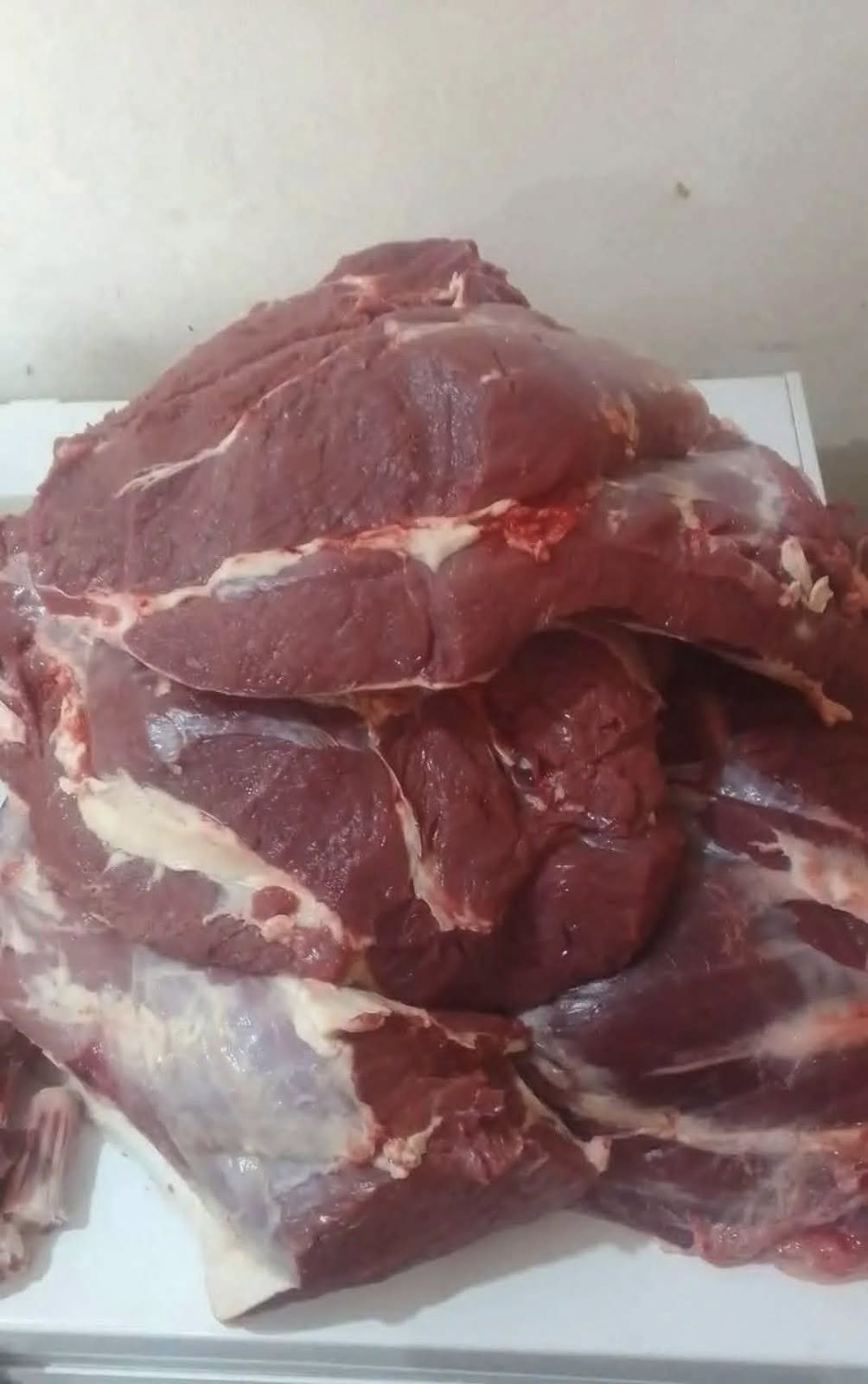
Oh, my dear friend, I see headlines exactly like this circulating all the time, and I know they can make you look at your grocery cart with a sudden sense of dread! "Mystery meat?" "Old meat?" It is so easy to let sensationalism make us feel like we are being tricked at every turn.
At 73, living alone in my cozy farmhouse, I have made it my personal mission to be a calm, informed advocate for my own health. Between keeping a watchful eye on my circulation, monitoring those sudden, unexplained purple blotches on my arms, and doing everything I can to stay proactive about preventing serious conditions, I know one thing for certain: panic and fear-mongering are the absolute last things our blood vessels need.
So, I put the kettle on, brewed a soothing cup of my favorite ginger tea, and looked into the actual "supermarket science" behind these alarming claims.
Grab your favorite cozy sweater and your reusable shopping bags, and let’s separate the clickbait drama from the practical, science-backed facts so you can shop with absolute confidence and peace of mind!
A Gentle Wellness Disclaimer
I am a wellness enthusiast, not a food safety inspector or a doctor. Always follow proper food handling guidelines, cook meats to their safe internal temperatures, and consult your healthcare provider for personalized dietary advice.
The "Supermarket Science" Reality: What Are They Actually Selling?
First, take a deep breath. Supermarkets are not selling you "mystery meat" from unregulated sources. In the United States, all meat is strictly inspected by the USDA for safety and wholesomeness.
However, there are a few clever marketing tricks and labeling nuances that are helpful to know so you can make the best choices for your health and your budget:
1. The "Added Solution" Trick
This is the most common "gotcha." If you look closely at the ingredient list on some packaged chicken breasts or pork chops, you might see: "Contains up to 15% retained water" or "Injected with a solution of water, salt, and sodium phosphate."
-
- The Reality: This isn't unsafe, but it means you are paying meat prices for saltwater, and it significantly increases the sodium content. For those of us watching our blood pressure to keep our veins flexible and our circulation happy, this is worth avoiding.
- The Fix: Always flip the package over. The ingredient list should ideally have only one word: "Chicken" or "Beef."
2. The Date Label Confusion
-
- The Reality: "Sell-By," "Best-By," and "Use-By" dates are primarily about peak quality, not food safety (with the exception of infant formula). A "Sell-By" date is a guide for the store, not a deadline for you.
- The Fix: Trust your senses. If the meat is within a day or two of the date, smells fresh, and has been kept properly refrigerated, it is perfectly safe to cook or freeze immediately.
3. The Color Myth
- The Reality: Many people think bright red meat is "fresh" and brownish meat is "bad." In truth, the color of meat is determined by myoglobin, a protein that reacts with oxygen. Meat can turn a harmless brownish-gray if it hasn't been exposed to much oxygen (like at the bottom of the stack), and it can still be perfectly safe to eat.
- The Fix: Rely on smell and texture. If it smells sour, ammonia-like, or feels unusually slimy, trust your instincts and leave it on the shelf.
The Health Connection: Why Calm Shopping Matters
Continued on next page//
To see the complete cooking instructions, go to the next page or click the Open (>) button and don't forget to SHARE it with your friends on Facebook.

What Happens to Your Body When You Eat Purslane Every Day — Especially After 60
No more bland watermelons! Here’s a sure-fire visual guide to finding the sweetest fruit at the market.

Your Toaster Is Grosser Than You Think (Here’s How to Fix That)

THE MOST POTENT HERB THAT DESTROYS PARASITES, URINARY TRACT …
11 Foods You Should Never Put in a Slow Cooker