

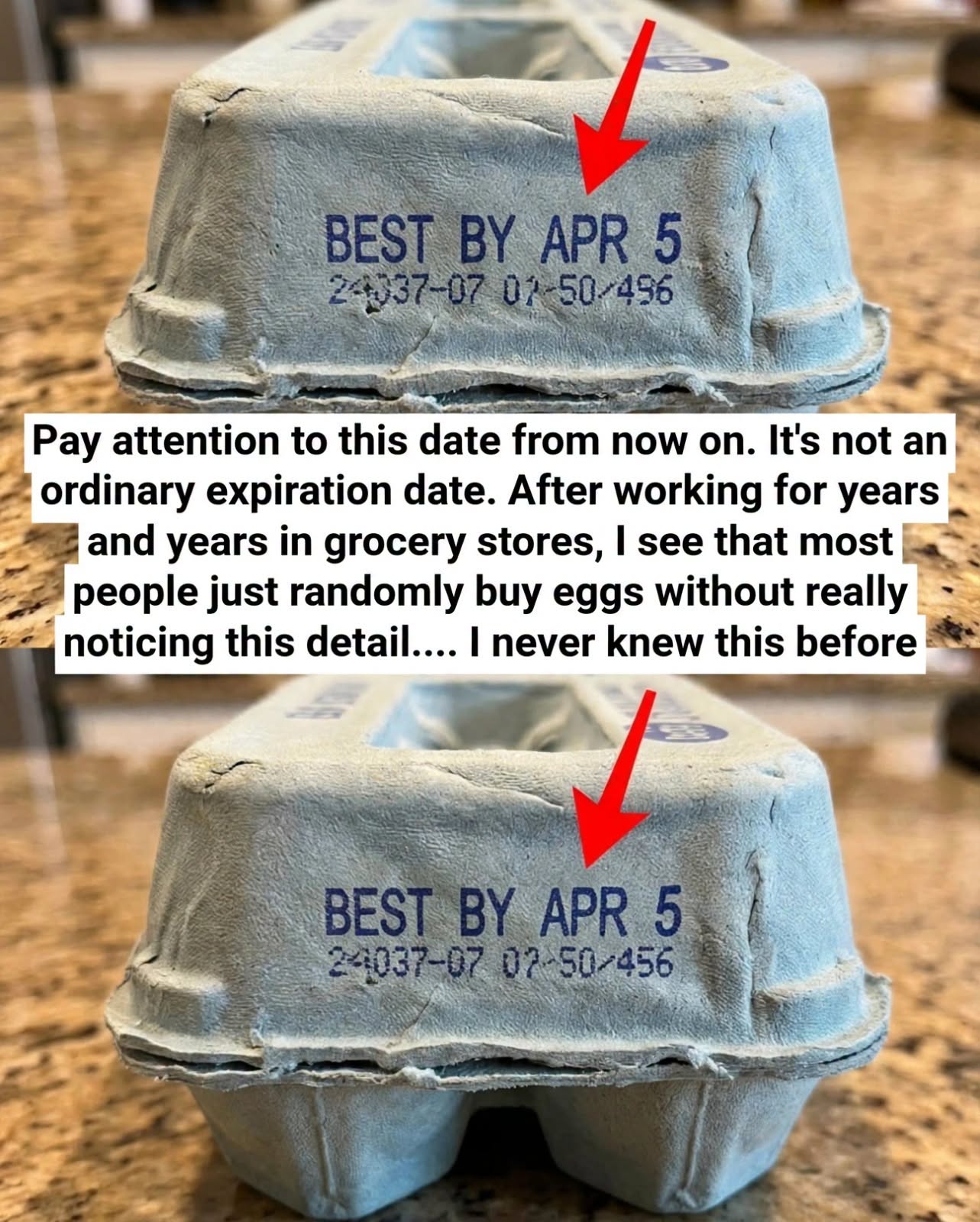
Once you understand the carton codes, the next step is making sure your eggs are stored correctly.
Keep Eggs Refrigerated
The FDA recommends storing eggs at 40°F (4°C) or below. After purchasing them, refrigerate them promptly rather than leaving them at room temperature for an extended period.
Keep Them in the Original Carton
The carton protects the eggs and keeps their identifying information available.
It also helps prevent odors from other foods from affecting the eggs.
Avoid the Refrigerator Door
Although many refrigerators have egg-shaped compartments in the door, the temperature there can fluctuate more frequently than in the main refrigerator compartment.
USDA recommends keeping eggs in the coldest part of the refrigerator rather than the door.
Don’t Wash Eggs at Home
If you’re using commercially processed eggs, washing them again at home isn’t recommended. USDA explains that home washing can increase contamination risk by allowing water to move through the shell’s pores.
How Long Do Eggs Usually Keep?
Under proper refrigeration, USDA says shell eggs can generally be kept in the refrigerator for three to five weeks from the day they are placed in the refrigerator.
For best quality, the FDA recommends using refrigerated eggs within about three weeks.
These recommendations assume that the eggs have been properly refrigerated and handled. If eggs have been exposed to unsafe temperatures or poor handling, the carton date cannot make them safe again.
What If the Carton Date Has Passed?
Don’t automatically assume that the eggs must be thrown away simply because the printed date has passed.
Instead, consider:
- Were the eggs kept continuously refrigerated?
- Is the carton intact and identifiable?
- Are the shells cracked or damaged?
- Do the eggs show obvious signs of spoilage after cracking?
- Have the eggs been handled safely?
USDA explains that food dates generally communicate quality rather than automatically marking the point at which food becomes unsafe. However, food that has been improperly stored or shows signs of spoilage should not be eaten.
When in doubt about an egg that has been mishandled or exposed to unsafe temperatures, the safest choice is to discard it.
Safe Cooking Matters Too
Continued on next page//