

Even eggs that are fresh and properly refrigerated can potentially carry Salmonella.
The FDA recommends cooking eggs until the yolk and white are firm and cooking foods containing eggs thoroughly.
For dishes containing eggs, using a food thermometer can provide an extra measure of confidence. The FDA recommends cooking egg-containing casseroles and similar dishes to 160°F (71°C).
If a recipe calls for eggs that remain raw or undercooked, such as certain homemade desserts or sauces, consider using pasteurized eggs or pasteurized egg products when appropriate.
A Quick Cheat Sheet for Egg Carton Codes
| Marking | What It Generally Tells You |
|---|---|
| 3-digit number | Pack date expressed as the day of the year |
| Sell By | Retail inventory/stock-rotation date |
| Best By / Best Before | Expected quality period |
| Use By | Recommended quality-use date |
| P-#### | Egg-processing plant identification number |
The exact labeling requirements can vary by jurisdiction, so treat this as a practical guide rather than assuming every carton will use identical markings.
The Bottom Line
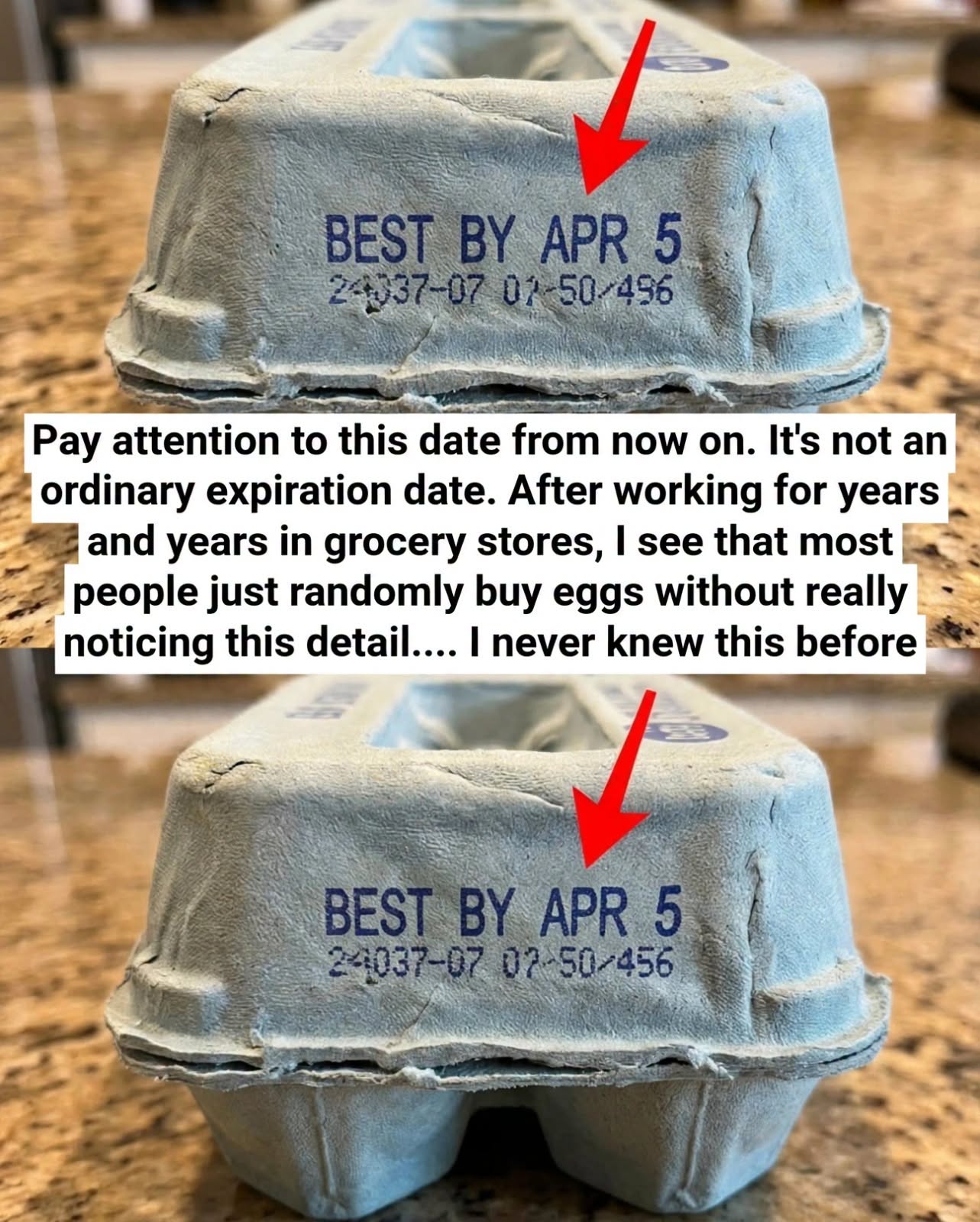
Egg carton codes may look mysterious, but they’re really there to provide useful information about when eggs were packed, where they came from, and how their quality dates should be interpreted.
The most useful habit is to look at the entire picture rather than relying on one number. Keep eggs refrigerated at 40°F (4°C) or below, store them in their original carton, handle them carefully, and cook them thoroughly.
Once you know what the three-digit pack date, sell-by date, and plant code mean, reading an egg carton becomes much less confusing—and you can make more informed decisions about freshness, quality, and food safety.